
FieldNotes
Our daily Field Notes email is just the kind of jumpstart you need. A fast read. Maybe less than a minute. Because sometimes it just takes one insight to change the trajectory of the day.
Search Field Notes
-

Once Interrupted, Give It Your Full Attention
Good leaders do their best to prevent distractions and avoid interruptions. Once interrupted while engaged in a task, it takes several minutes to fully reengage and become hyper-focused on the task at hand. Interruptions and unnecessary distractions are the curse of productivity. In a fun turn of words, the best advice is not to let interruptions
-
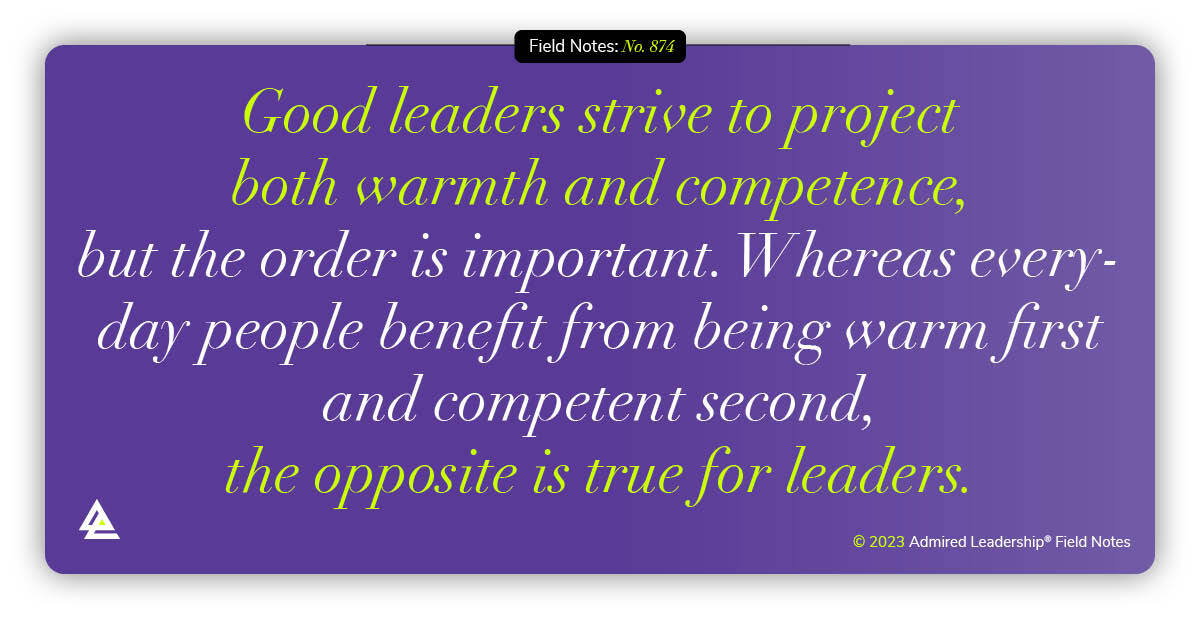
The Order of Warmth and Competence for Leaders
Across cultures, people use two fundamental judgments to assess the quality of others: warmth and competence. People who express warmth are more likeable and comfortable to be around. We find more similarity, affinity, and positivity with those we experience as warm and caring. On the other hand, those we perceive as highly competent will increase
-
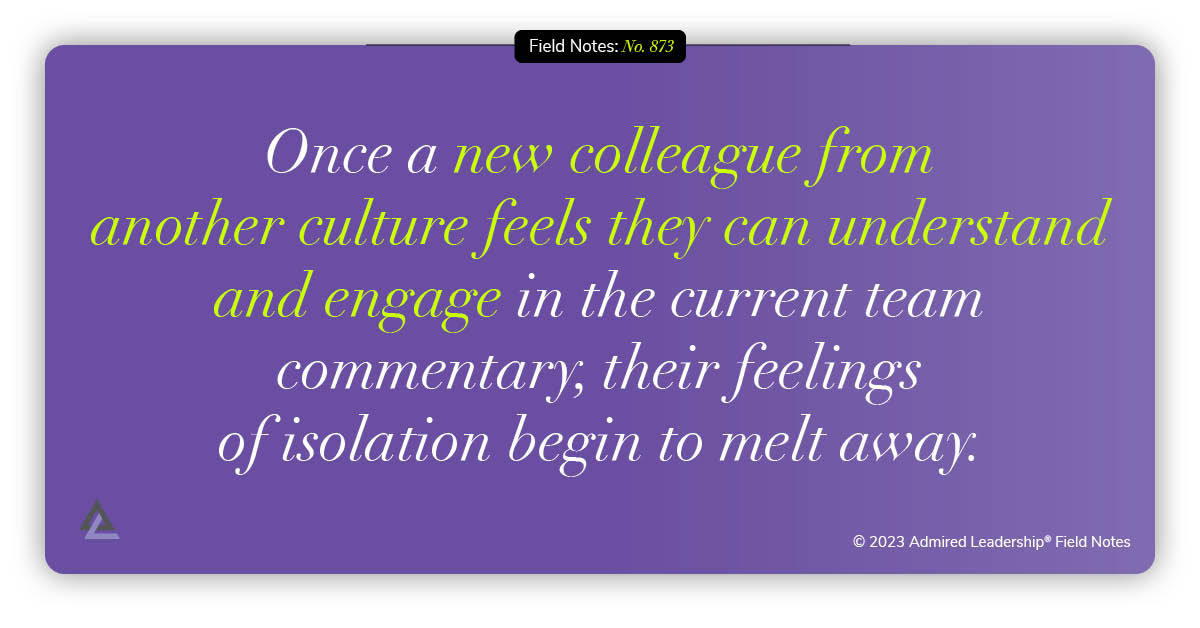
Bringing Those From Another Culture Into the Conversation
Initially, team members from another culture often feel isolated in a workplace outside their country of origin. Engaging in a new workplace, often thousands of miles away, not only highlights the marked differences between cultures, but also creates a sense of disconnection. Language differences are hard enough, but when news, events, popular shows, and various…
-
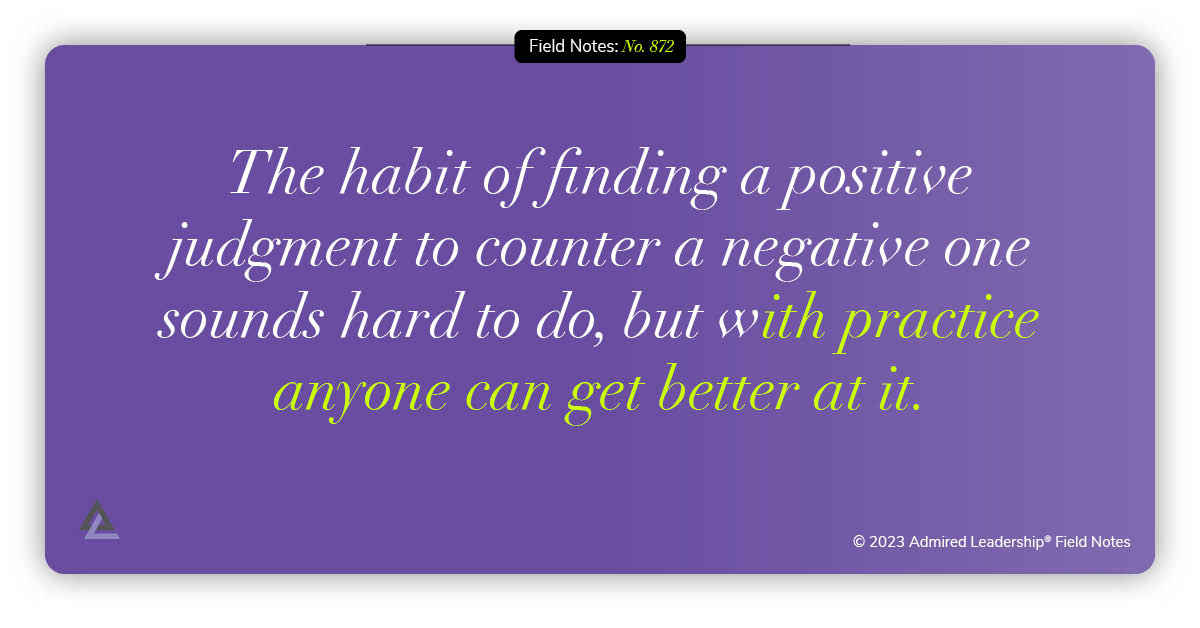
The Failure to Hide Negative Judgments
Leaders are naturally judgmental. They form judgments of issues and people rapidly, intuitively, and continually. They falsely believe that, because these rapid-fire judgments are unspoken, they have little or no effect on those being judged. The problem is that, as a rule, leaders are lousy at hiding their thoughts and feelings. They leak what they are thinking
-
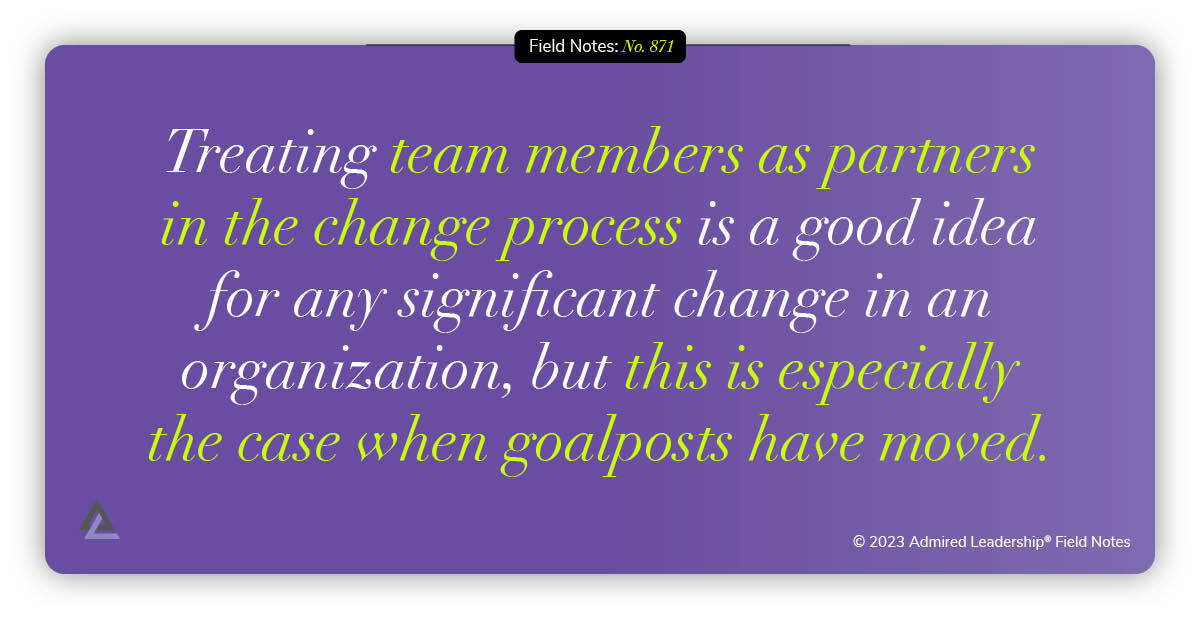
When the Goalposts Move
Conditions sometimes change. As things shift in the marketplace, the environment, short-term financial results, and with customers and competitors, the goalposts often move, sometimes markedly so. This is an uncomfortable pivot for everyone, but especially for team members who depend on goal stability to make progress. Even teams that handle change well generally react poorly
-
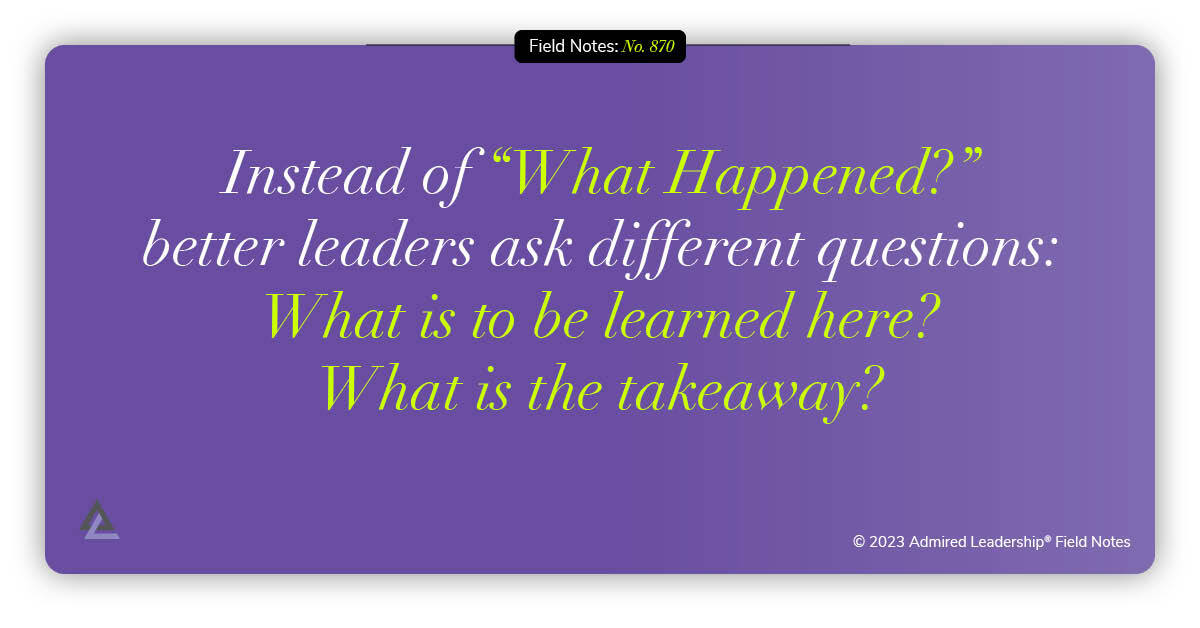
Navigating the “What Happened?” Conversation
When things go wrong or unexpectedly, leaders want to understand what happened. Where was the misstep? What wasn’t anticipated? Why did things go astray? The What Happened? conversation occurs so frequently, it’s a wonder leaders are not more adept at it. Perhaps the conversational skill involved is stunted by the very need for the conversation. When things
-
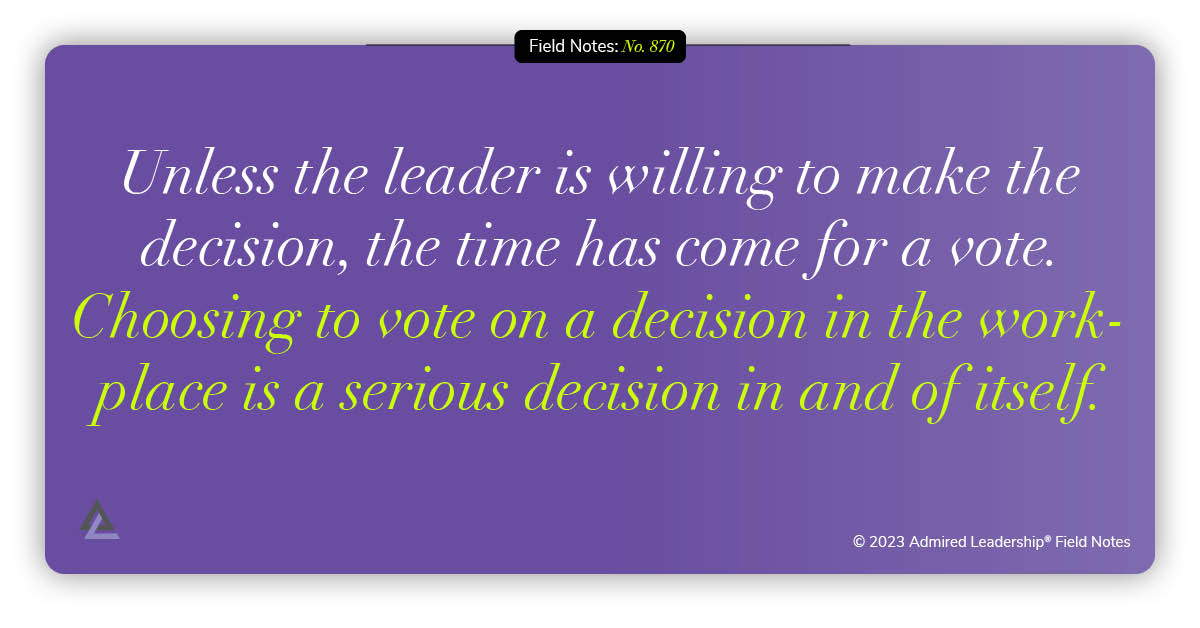
When the Team Has to Vote
Gaining consensus on controversial or complex decisions is not always possible. After the gyrations of working toward a consensus, sometimes the team reaches an impasse, where one or more colleagues are unwilling to defer to the wisdom of the group. Arguments for and against the decision are viewed differently by team members with competing interests
-
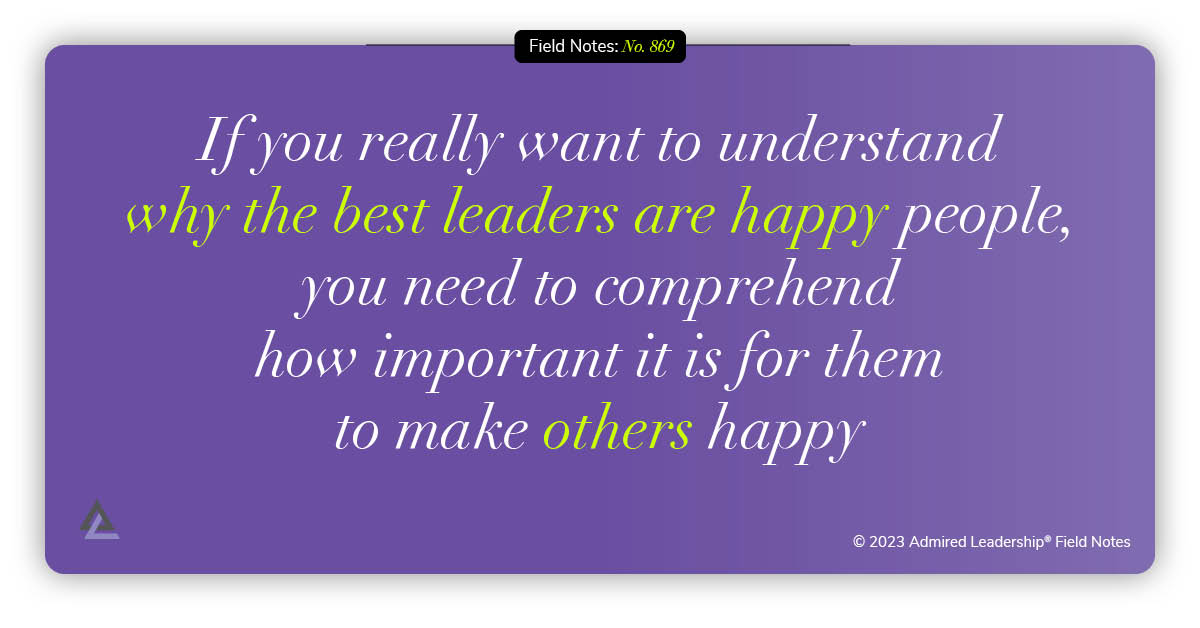
Great Leaders Create Happiness to Make Themselves Happy
Exceptional leaders are happy people for a particular reason. Making others productive, creating the conditions for robust learning, and providing the vision and strategy that excites people — that’s what makes a leader smile. But if you really want to understand why the best leaders are happy people, you need to comprehend how important it…
-
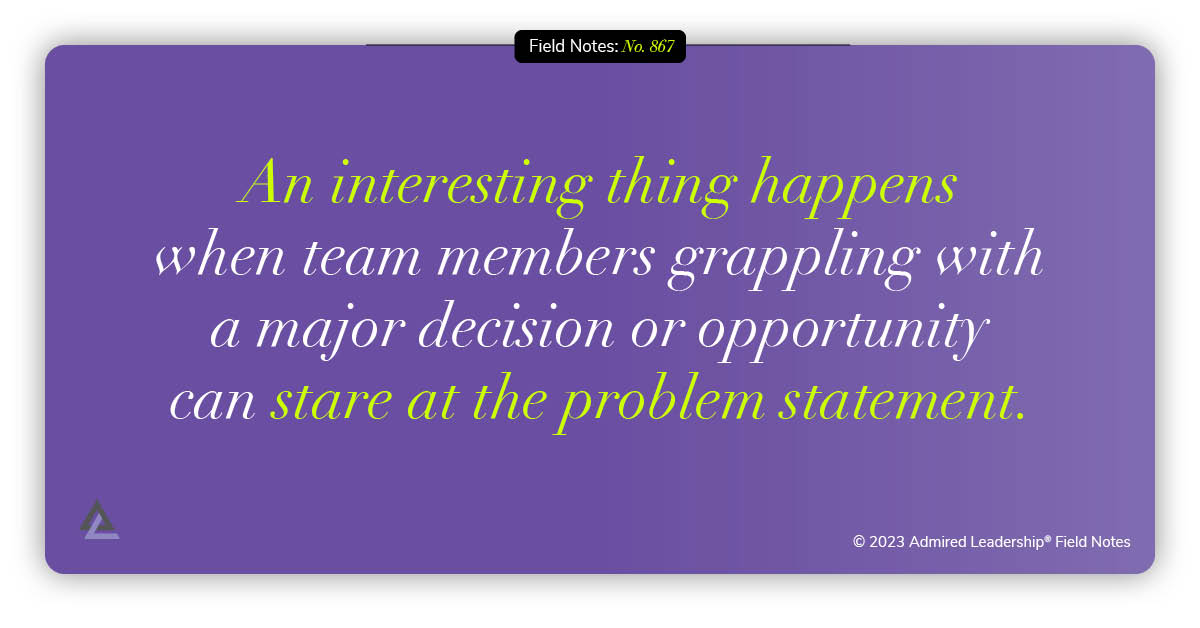
A Team That Stares at the Problem Statement
An interesting thing happens when team members grappling with a major decision or opportunity can stare at the problem statement. The many parts or facets of the problem will stand out like flashing lights. Confrontation with a visual of the problem statement serves to keep the team on task and in focus.