




FieldNotes
Our daily Field Notes email is just the kind of jumpstart you need. A fast read. Maybe less than a minute. Because sometimes it just takes one insight to change the trajectory of the day.

Search Field Notes
-
In Search of More Gamma Brainwaves
Music with binaural beats creates an auditory illusion when two slightly different frequencies are presented separately. As the brain processes these two different frequencies, it perceives a beat that is not actually present in the sound. The result is increased Gamma wave activity. To deliver the frequencies separately to each ear, listeners must use stereo…
-
Where Do Leadership Instincts Come From?
We often refer to highly effective leaders, especially those with less experience or background, as having great leadership instincts. In our estimation, they seem to know things we wouldn’t expect them to know. More importantly, these people land on a good or right answer seemingly without much effort. They are instinctively good at leadership, or…
-
Testing for Grit
The quality of grit, or a passionate persistence, is considered a priceless attribute when hiring prospective team members. The idea of grit refers to a person’s ability to persevere and remain determined in the face of challenge, adversity, or obstacles. People with grit maintain a commitment to long-term goals and consistently work toward them despite…
-
Creating Separation Between Back-to-Back Meetings
Creating Separation Between Back-to-Back Meetings. Transitions between meetings are challenging enough without sprinting from one discussion to another. Team members deserve the best of you and all of your attention in the matters they want to discuss. Leaving the last meeting behind is aided by a brief separation. Some tiny habits really are atomic. It…
-
The Hidden Jeopardy of Expected Rewards
The biggest problem with expected rewards is not about their long-term influence, but rather the impact they have when they don’t occur. The only time an expected reward really matters over time is when it doesn’t happen. Then, it is remembered forever. Expected rewards that don’t occur carry a deep symbolic meaning to people. When…
-
Getting Others Comfortable With Disagreement
Some team members have a difficult time expressing and dealing with disagreement. They find disagreement distasteful, and they don’t enjoy it. When disagreed with, they feel attacked or denigrated and feel a need to defend themselves. Disagreement, in their minds, represents a clash between people, not ideas. As a result, they don’t dive into debate,
-
A Salute Returning a Salute
Great leaders give the kind of respect to others they would want to receive. By holding up the defeated, they point to themselves. In offering grace in a genuine way, they themselves become more graceful. The best leaders know that the ultimate right to be respected is won by respecting others, especially the vanquished.
-
Designating an Angel’s Advocate
Designating an Angel’s Advocate In most cases, teams don’t require either Advocate to reach a sound decision. But when a leader decides to designate a Devil’s Advocate to shake up the group with the potential risks, it is smart to designate an Angel’s Advocate, as well. Devils keep the team grounded but Angels let the…
-
Are You a Should or Could Leader?
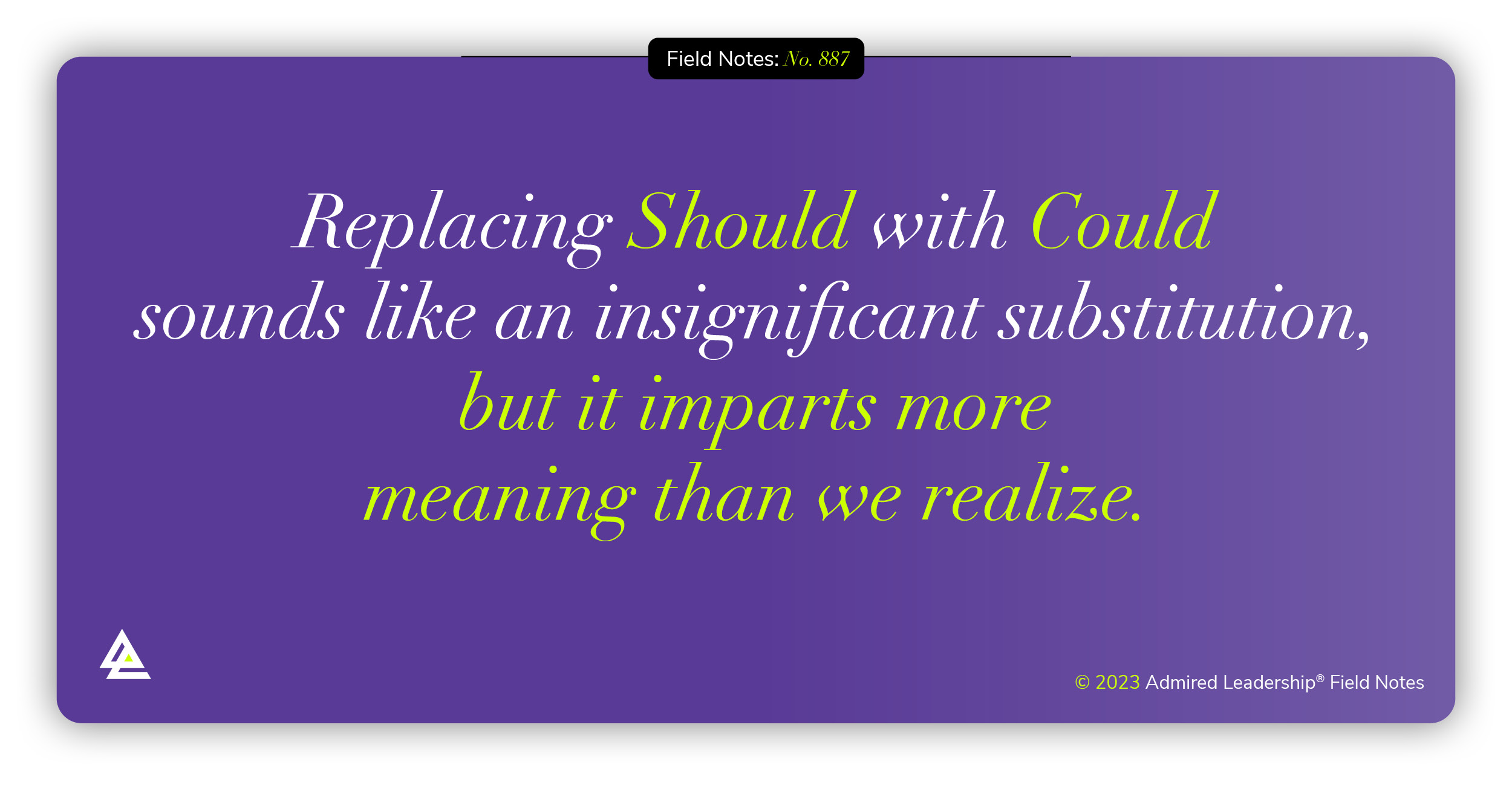
Leaders who wish to empower and create learning choices for others generally or in specific situations “could” consider a more conscious word choice. Replacing Should with Could sounds like an insignificant substitution, but it imparts more meaning than we realize. Ask yourself this question: Are you a Should leader or a Could leader? Perhaps you…
-
How Leaders Overestimate and Underestimate Their Own Brain Power
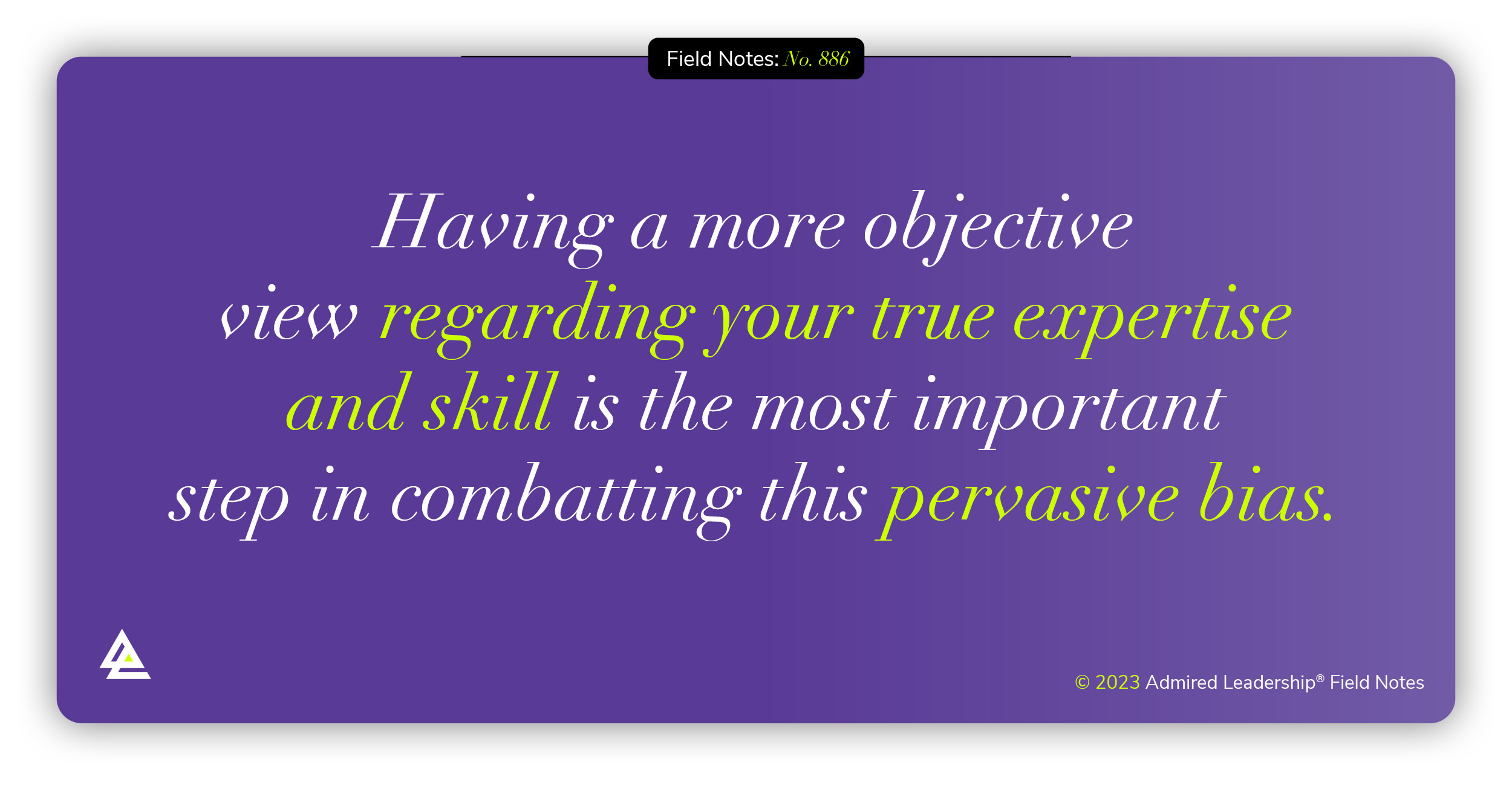
In addition to just knowing about the bias and maintaining a more objective view of their own knowledge and skills, the best way to offset this tendency is for leaders to ask for feedback about their true expertise before important decisions arise. Knowing how trusted colleagues view their expertise is the key. Where do they…