




FieldNotes
Our daily Field Notes email is just the kind of jumpstart you need. A fast read. Maybe less than a minute. Because sometimes it just takes one insight to change the trajectory of the day.
Search Field Notes
-
Holding Yourself Accountable Is Easier With a Buddy
Depending on the behavior, it may be best to turn to a spouse, coach, colleague, or friend to play this role. The most important criterion is to select someone you trust that will live up to the mutual pledge to hold you accountable. They won’t accept excuses or allow you to surrender without putting up…
-
Schedule a Conversation Instead of a Meeting
We attend way too many meetings and engage in too few conversations. While the best meetings have some conversation-like qualities, the idea that status, agenda, and information drive meetings makes them very different from conversations. In meetings, people often compete to stand out, get heard, and advocate for their ideas, resulting in unfocused discussions replete
-
True Advocates Don’t Let Others Bad Mouth You
Trusting that the team is comprised of full-hearted advocates, leaders and team members don’t feel as if they might be judged or belittled behind their backs. This allows them to operate openly, without defensiveness, and to engage others with candor. Teams perform best when everyone believes in the good intentions of others and is willing…
-
The Power of Appreciation or Not
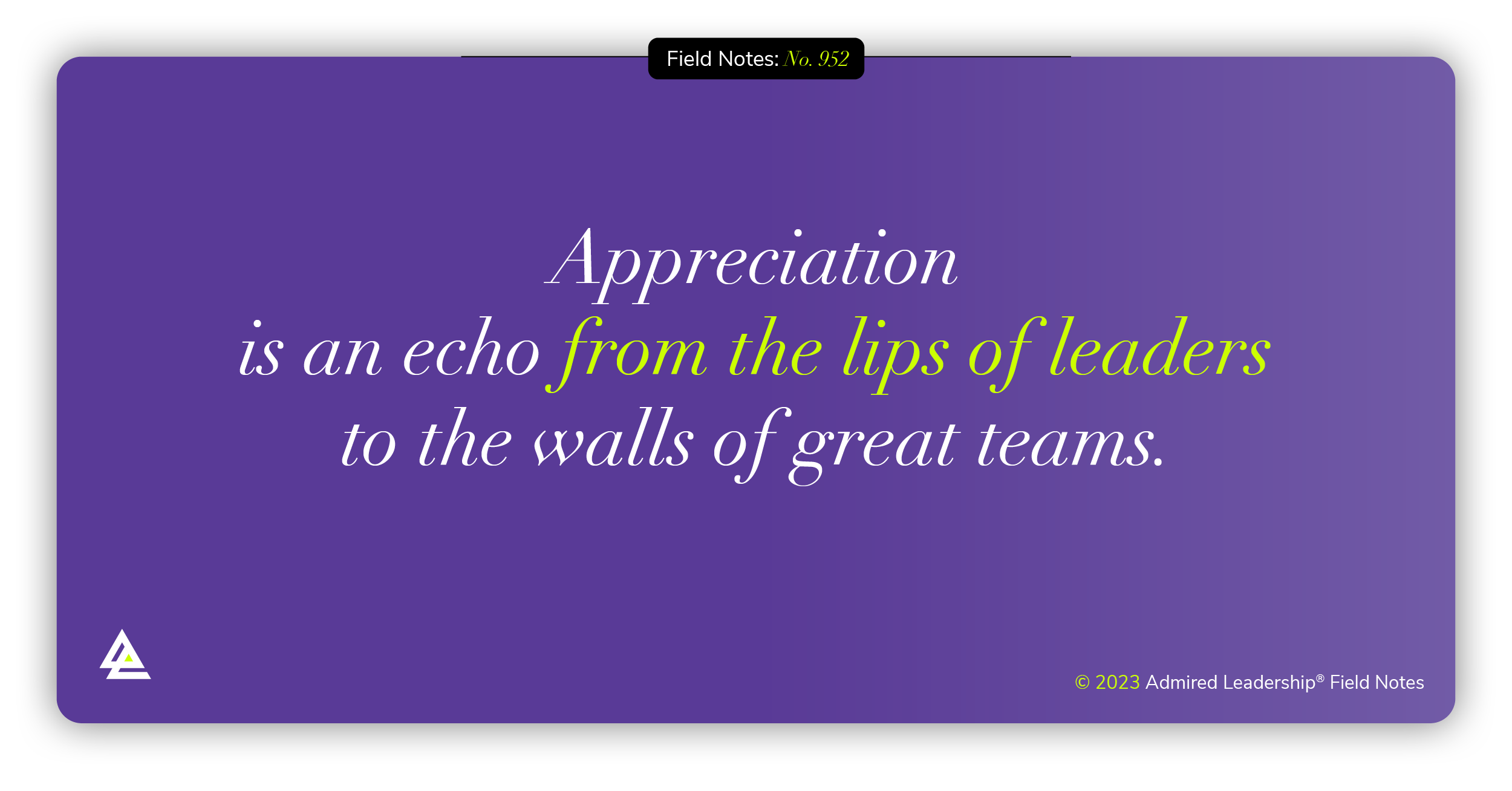
Appreciation is an echo from the lips of leaders to the walls of great teams. People who are appreciated feel more grateful for leaders, as well. Maybe that’s what Voltaire meant when he said: “Appreciation is a wonderful thing: It makes what is excellent in others belong to us as well.” By acknowledging the positive…
-
True Genius Expresses Itself in Multiple Mediums
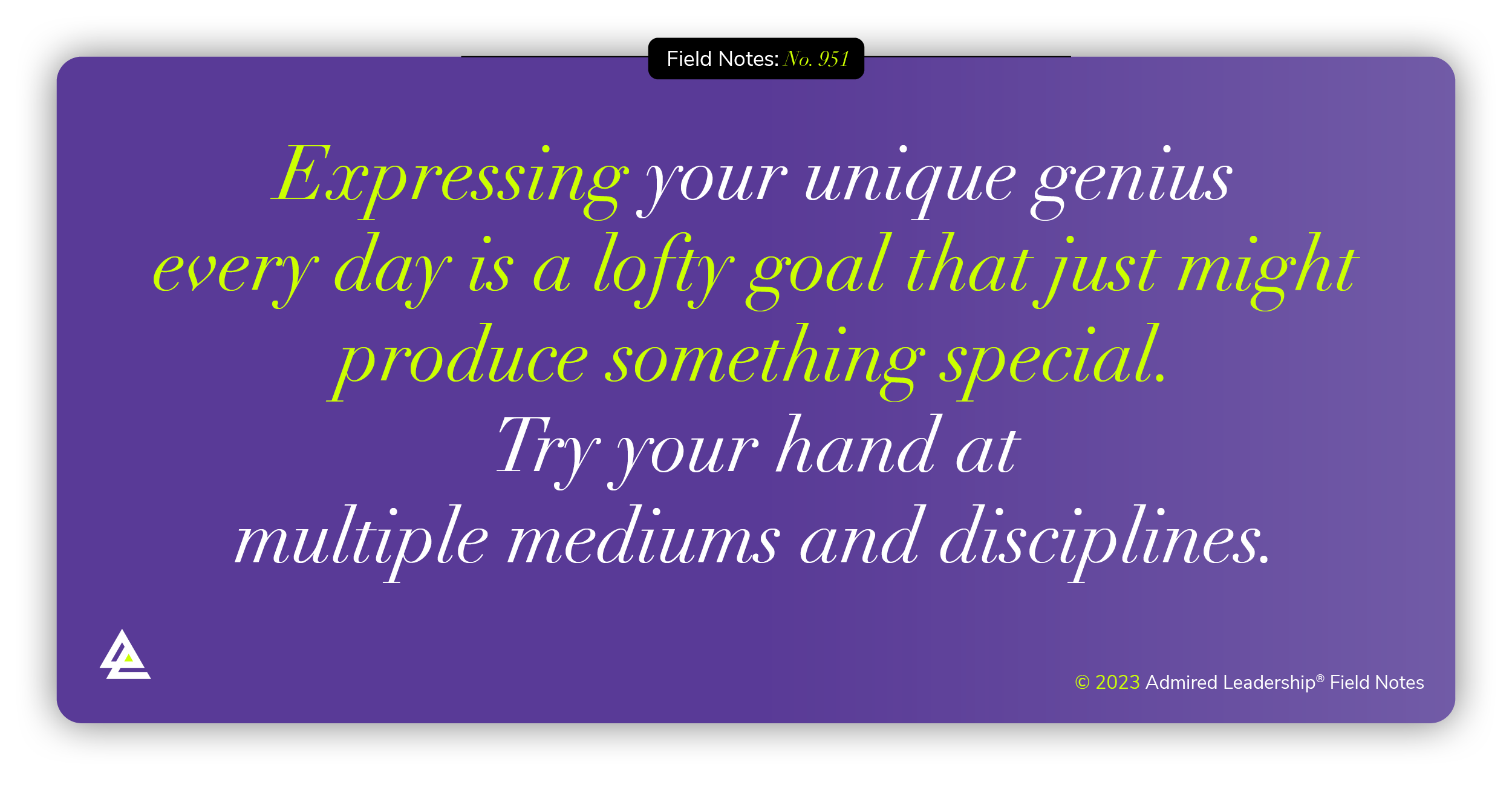
Pablo Picasso wasn’t just a world-class painter. He was also a master sculptor, a consummate printmaker, a celebrated ceramicist, and an innovative theatre designer. We often think of those with extraordinary talents as having genius. Picasso certainly fit that category and shared something all true geniuses have in common: They can express their unique insights,…
-
If You Must Punish, Design Punishments That Make People Better
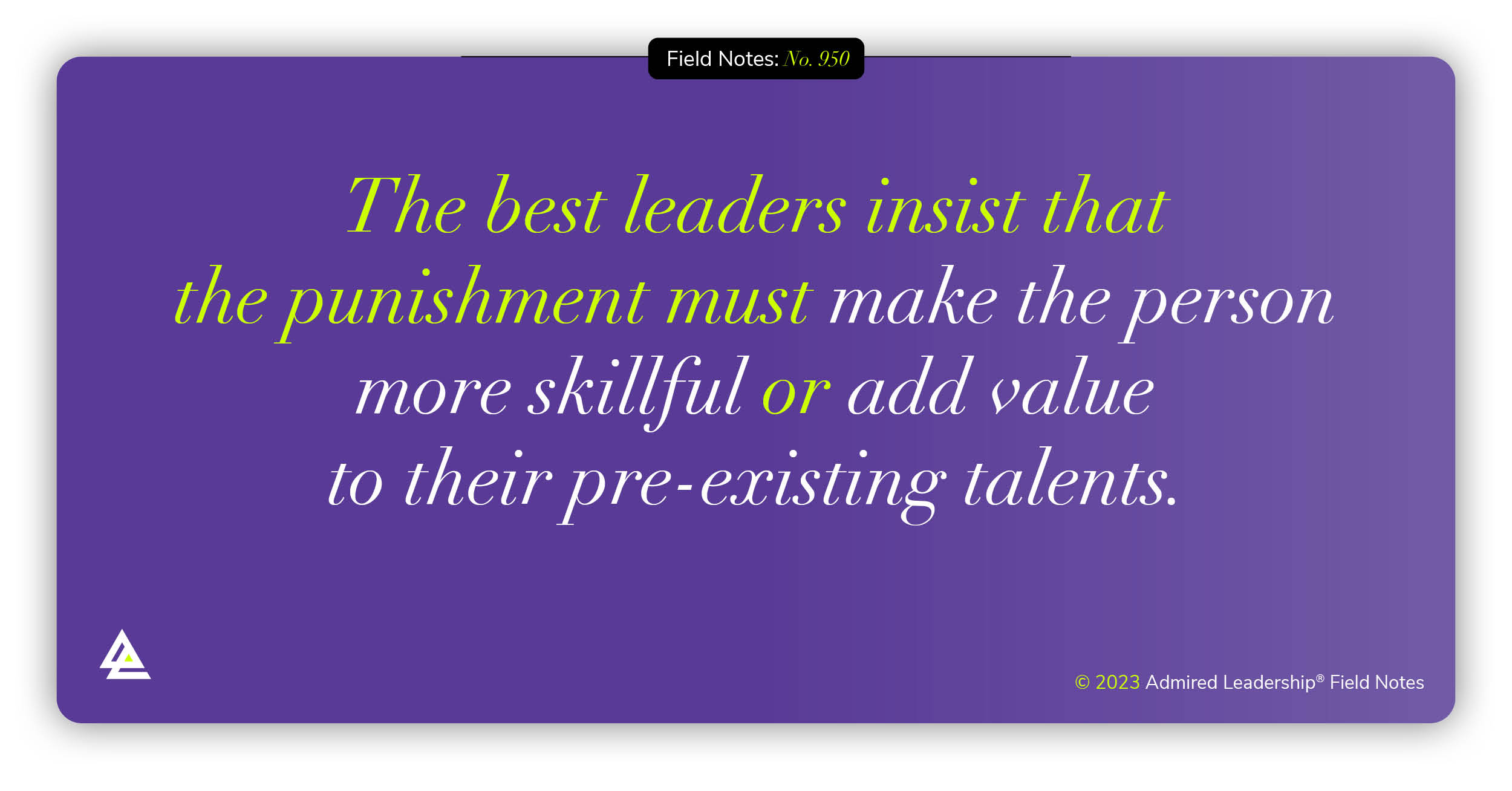
If You Must Punish, Design Punishments That Make People Better. When it comes to dissuading negative behaviors, penalties (losing something you already have) are better than punishments (requiring people to do something they don’t want to). This works because penalties remind people what the standards and rules are and why they can’t be violated. Nonetheless,…
-
Penalty Is Better Than Punishment
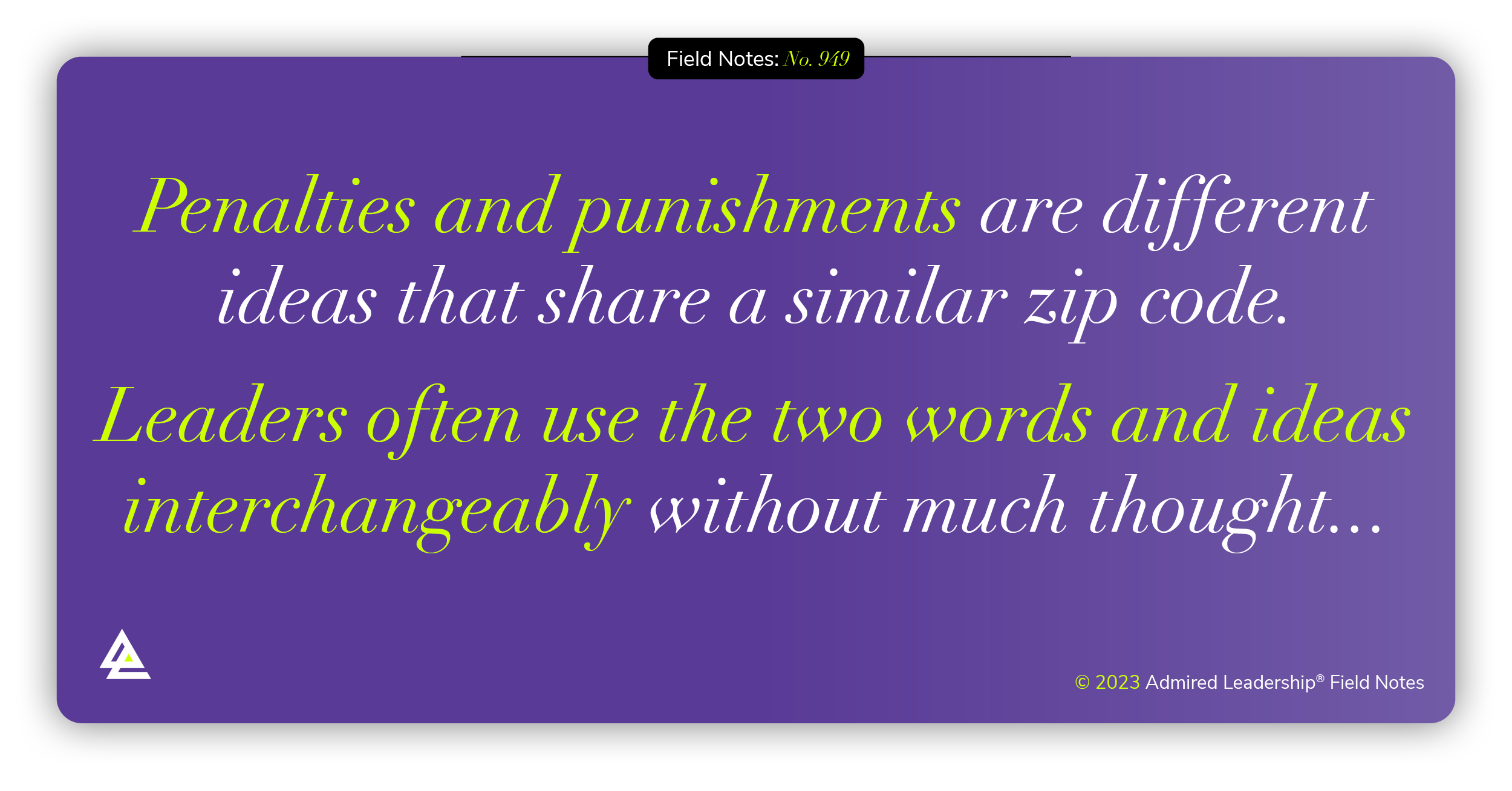
Penalties and punishments are different ideas that share a similar zip code. Leaders often use the two words and ideas interchangeably without much thought. While they may sound the same, they are distinctly different in expression and effect. A penalty requires you to lose something you already have, whereas a punishment makes you engage in…
-
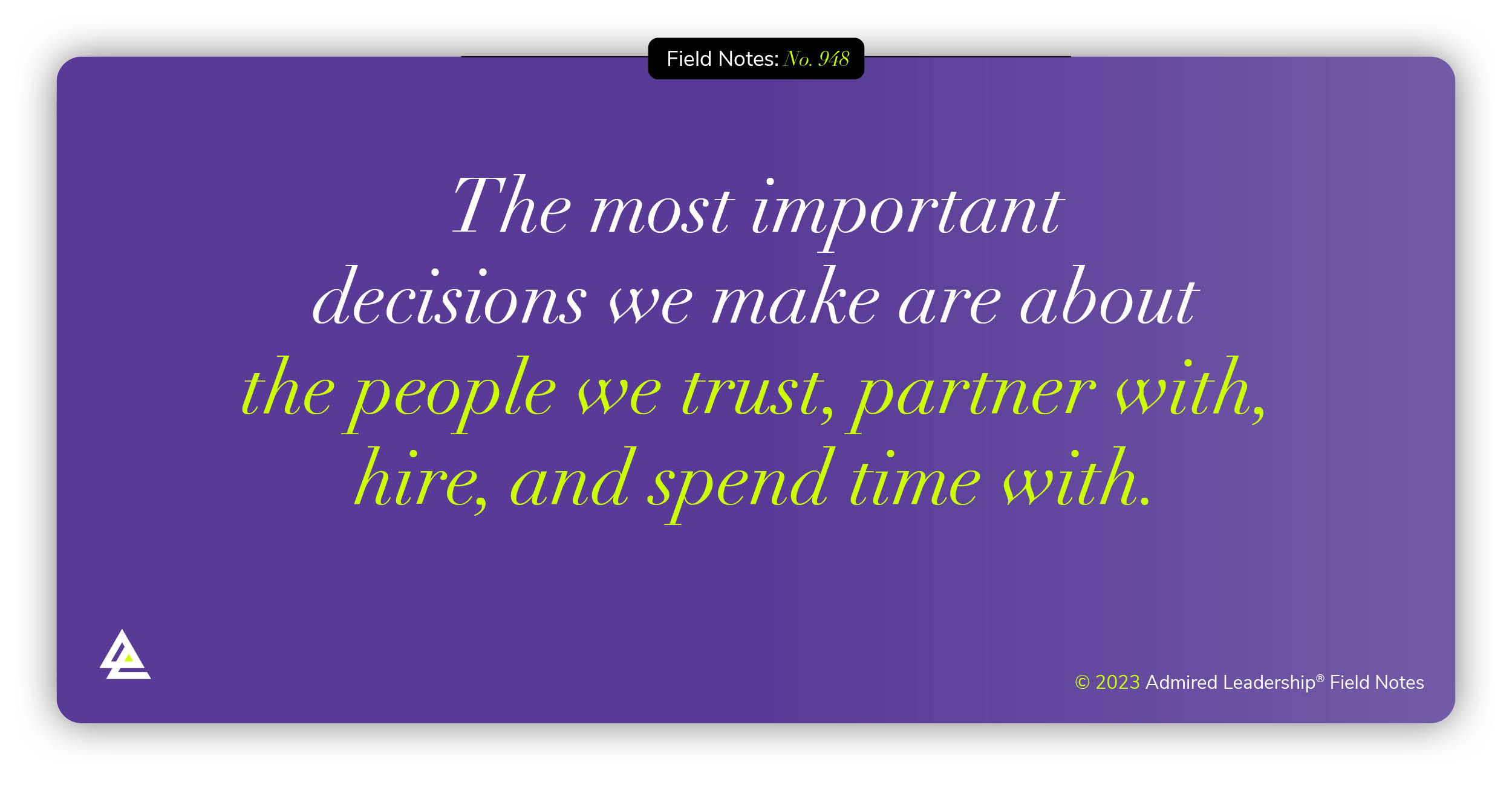
A Handful of Great Decisions Drown Out All of the Bad Ones
Legendary investor Warren Buffett claims that investment decisions at his firm Berkshire Hathaway have been no better than so-so over nearly six decades, but that about a dozen truly good decisions have made their results sparkle in a way no one else has matched. That’s the way it works with decisions. We all make more
-
Sharing Best Practices Across Teams
The best team leaders are not bashful about good ideas. They don’t care where a best practice originates. They see their role as finding the best solution or process from anywhere, even those used by competitors. Leaders then incorporate such practices into the everyday approaches of their own teams. Good leaders believe introducing a best…
-
Leaders Are Great Students of Cause and Effect
Now, take a step back and discuss the many possibilities with one or more trusted colleagues. The likelihood is that somewhere within the fishbone diagram lies the root cause that serves as the catalyst for the effect. Talk it out with others using as much empirical and anecdotal evidence as you have. Usually, a strong…