
FieldNotes
Our daily Field Notes email is just the kind of jumpstart you need. A fast read. Maybe less than a minute. Because sometimes it just takes one insight to change the trajectory of the day.

Search Field Notes
-
Shaping How Others Define Success
It is always a good idea not to let society or media define what we believe or how we should view the world or an issue. Homogenized thinking is always of a lower quality and is often wrongheaded. Good leaders don’t leave the possibility of weak thinking to chance. They shape meaning by emphasizing the…
-
The Leadership Ratio That Matters Most
The most important ratio for a leader is not debt to equity, supervisor to employee, efficiency to cost, or price to earnings. The ratio that matters most for leadership success is the proportion of praise to criticism. Leadership at its core is about making people and situations better. To help a colleague improve, leaders can…
-
When Making Decisions, Acknowledge What You Don’t Know First
When Making Decisions, Acknowledge What You Don’t Know First Brainstorming with colleagues to identify what the decision-makers need to know and what they don’t is a critical first step. This streamlines the information-gathering process and allows the team to create more clarity and certainty as they follow their preferred decision-making scheme. Acknowledging what you don’t…
-
Great Leadership Is Both a Generous and a Selfish Act
Ironically, the more selfish a leader is to achieve personal growth and development, the better they are at helping others succeed. They learn about themselves with every choice they make for others. Even servant leaders appreciate the fact that they derive great self-satisfaction from service. The more they serve others, the more they learn how…
-
Prime Important Meetings With Prework
On better teams, the prework is the entry ticket to attend the meeting, no matter who you are or what status you hold on the team. If you don’t submit the prework assignment, there is simply no reason to show up. Team members get on board quickly when this is the case, and rarely do…
-
Raising the Aspirations of Those Who Are Better Than They Think
Some team members and colleagues are better than they think they are. For a myriad of reasons, they don’t have the inner confidence and self-esteem that they should. They expect less from themselves than is healthy and underestimate their skills, talents, and potential. Good leaders don’t accept the low bar these team members have placed…
-
Does Your Team Need an Elon Musk Moment?
When was the last time your team or organization had a singular focus that drew everyone in and engaged the entire team for a few days? What is the big idea or difference-maker worth such a moment? Perhaps that is exactly what the doctor ordered for your team. Create such a moment and watch what…
-
How to Create More Buy-In
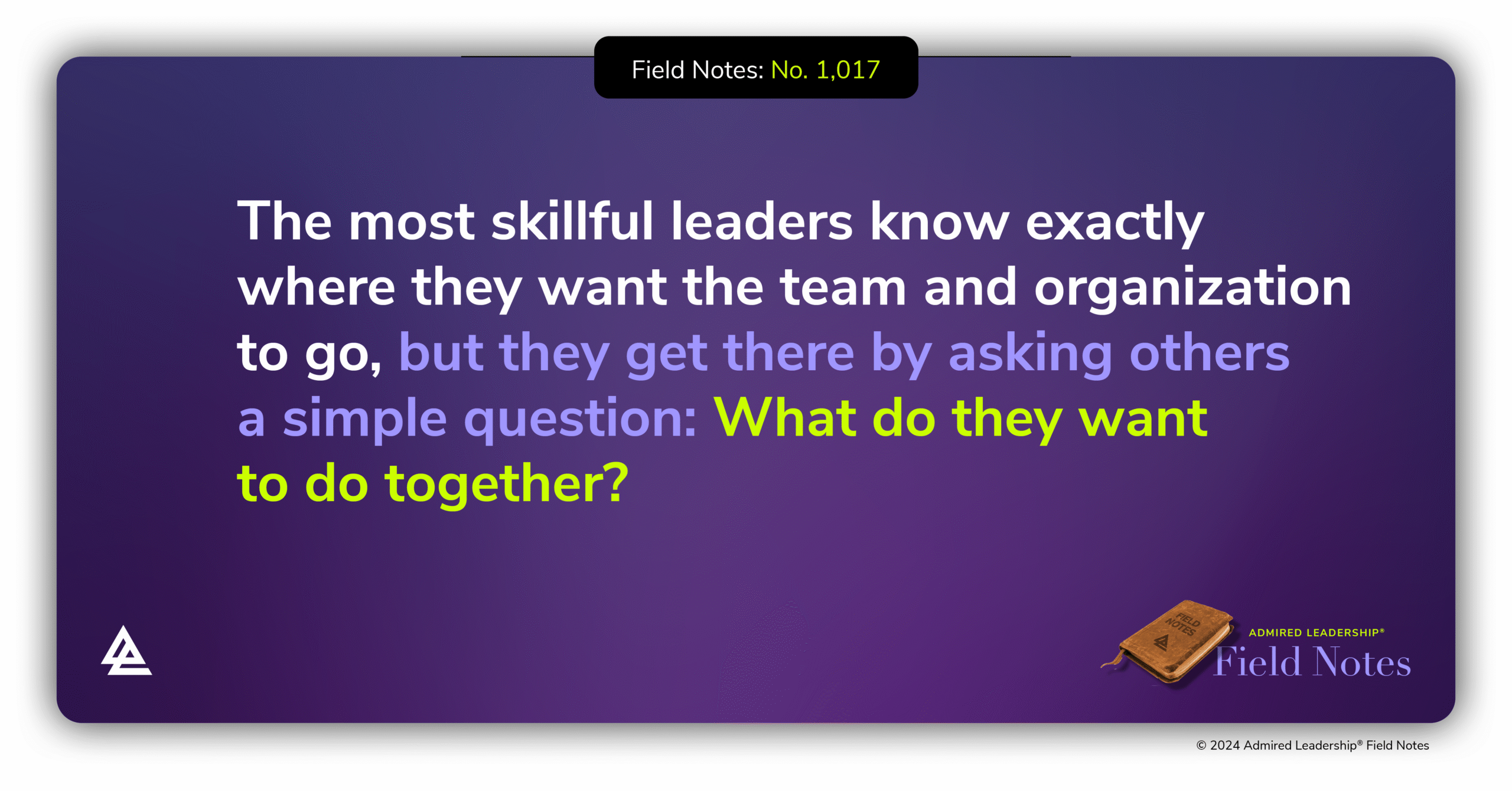
The best leaders refrain from giving people answers, decisions, or directions. They almost never tell people what they want them to do or why they should do it. Instead, they offer a view and ask others to get involved with a simple question: What do they want to do together? People get on board slow-moving…
-
Impatience Can Be About People or Outcomes
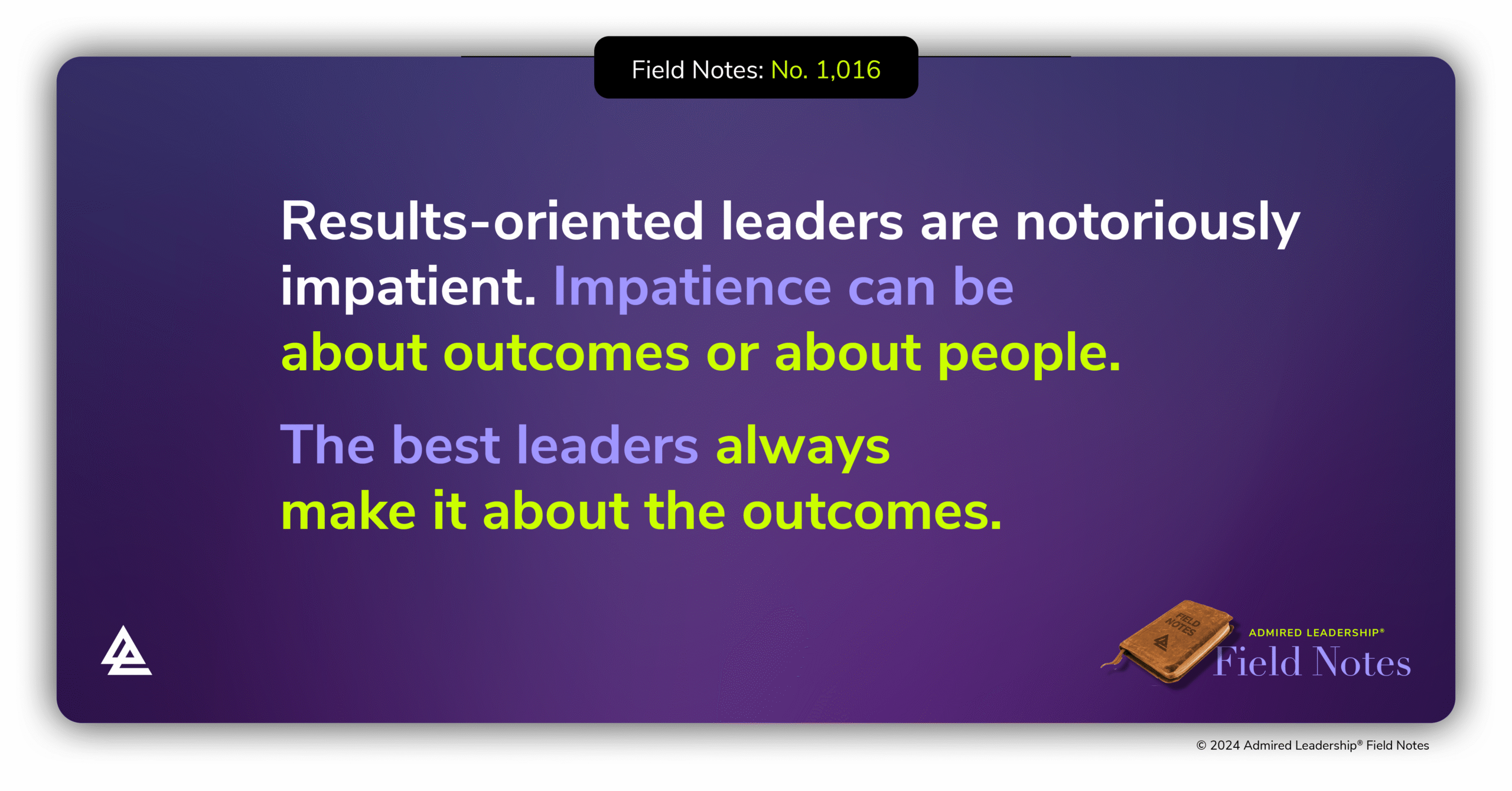
Great leaders often fight an internal war against their own impatience. Results-oriented leaders are notoriously impatient. They want results faster, bigger, better, and long-lasting. That impatience leaks out when others don’t deliver outcomes as quickly as they should. When people sense the disappointment of impatient leaders or learn directly from them that their work is