




FieldNotes
Our daily Field Notes email is just the kind of jumpstart you need. A fast read. Maybe less than a minute. Because sometimes it just takes one insight to change the trajectory of the day.

Search Field Notes
-
The Kiva Method for Inclusive Decision-Making
The tribal elders of the Hopi nation knew a thing or two about inclusive decision-making. They originated a decision-making process that is all but forgotten but is poised for a comeback. The so-called Kiva Method, drawn from the structures in which the decisions were made and devised generations ago, allows minor voices to influence more
-
When It Comes to End-Users and Customers, It’s All About Reducing Friction
When It Comes to End-Users and Customers, It’s All About Reducing Friction
-

Good Leaders Are Contrarian
What it means to be a contrarian leader is often misunderstood. True contrarians do not try to do the opposite of what everyone else is doing, nor do they take a contrary stand just to be different. Contrarian leaders simply try to live in the future while everyone else is focused on living in the…
-
At Some Point, You Have to Stop Repeating the Bad News
At Some Point, You Have to Stop Repeating the Bad News. When things go horribly wrong, leaders face the difficult challenge of repairing a reputation and credibility that is now suspect. This requires gathering the pertinent information and crafting a plan to respond that exudes the integrity and competence that will effectively address the misstep…
-
How to Speed Up Trust
Trust in relationships, on a team, and within an enterprise is the critical building block of effectiveness. Without it, everyday tasks become burdensome and take longer, as people must find a way to get comfortable with what they are told. When trust is low, verification, second-guessing, and interpretation clog the ability to act quickly and…
-
Thinking Slowly About Loss Aversion
Nobel prize-winning behavioral economist Daniel Kahneman passed away at the age of 90 a few days ago. Kahneman was a marvel. He proved through meticulous research that people’s mental biases — what he called kinks — warp their judgment and often lead them to act against their own self-interests. In his book, Thinking Fast and…
-
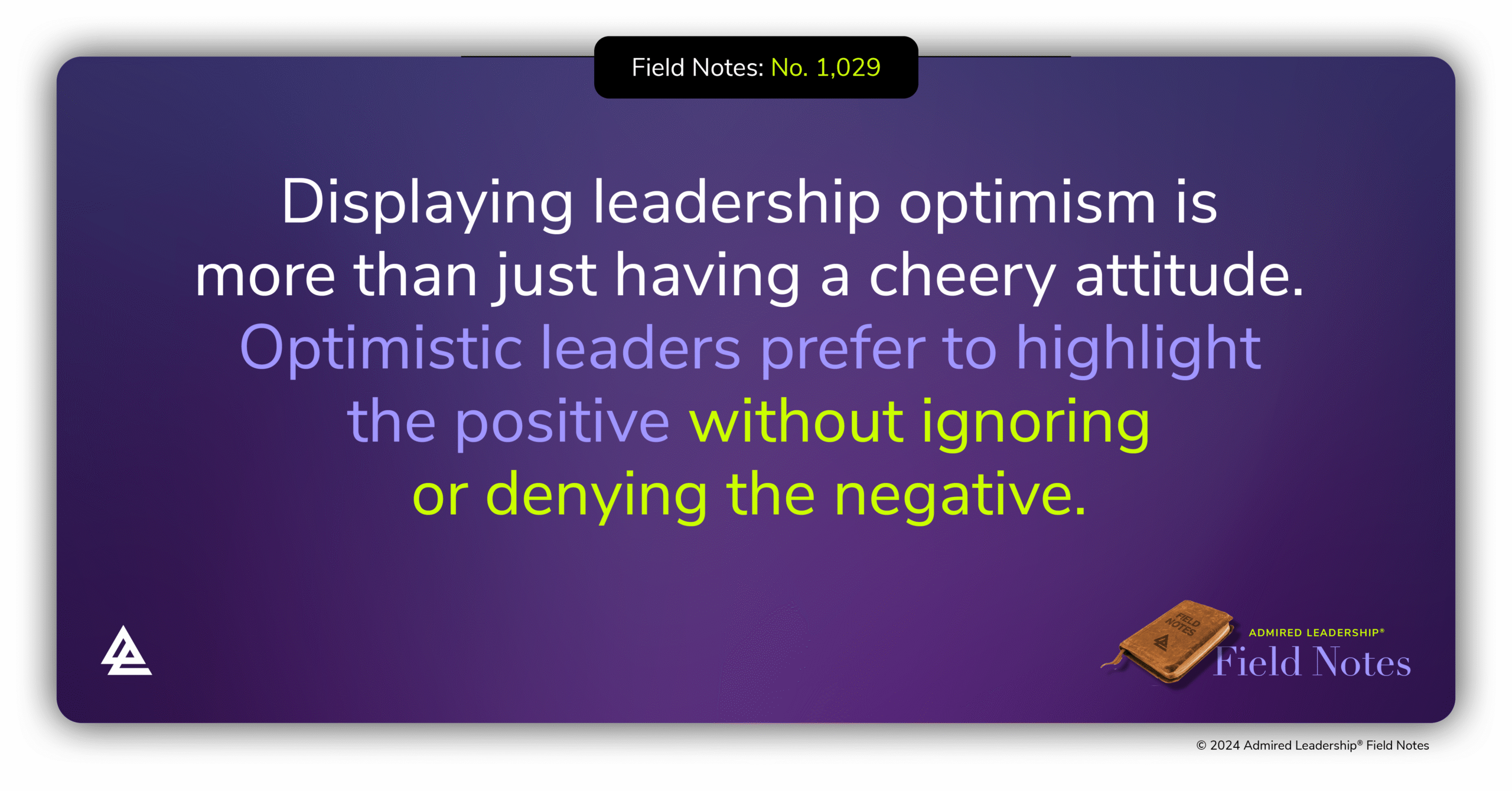
Optimism Is Not Wishful Thinking
Good leaders are optimistic. By exuding optimism, they motivate, energize, and elevate the confidence of those around them. The ability to view challenge as opportunity, to believe in the potential of people and situations, and to celebrate short-term success without the fear of establishing a finish line is why teams stand behind optimistic leaders. Optimism
-
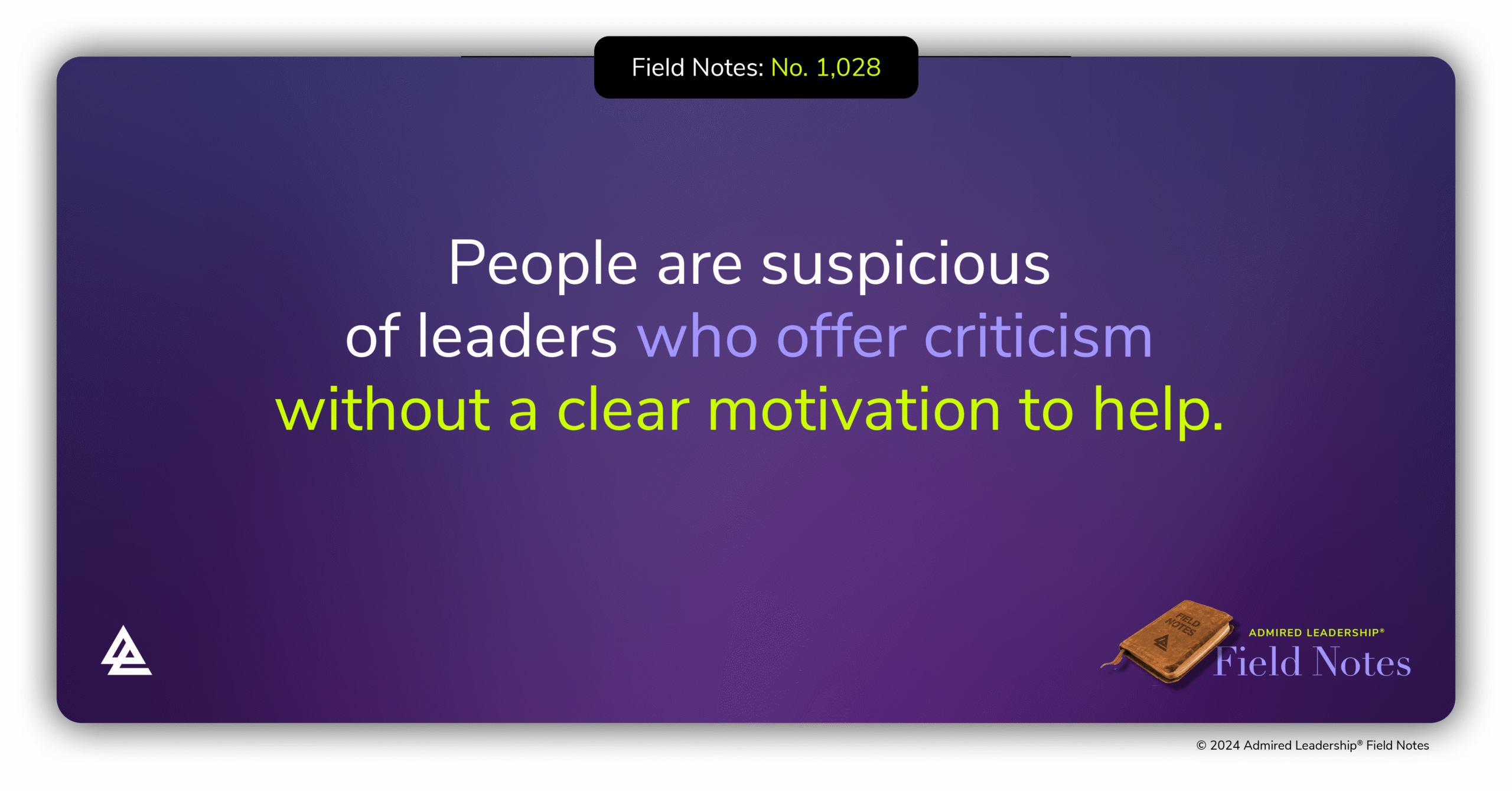
The Relationship Between Feedback and Caring
The motivation behind offering criticism and critique to others has a profound impact on how people respond to feedback. It is painfully obvious to those on the receiving end whether a leader cares about them as people and whether the intention of their criticism is to make them better. Leaders who fail to spend the…
-
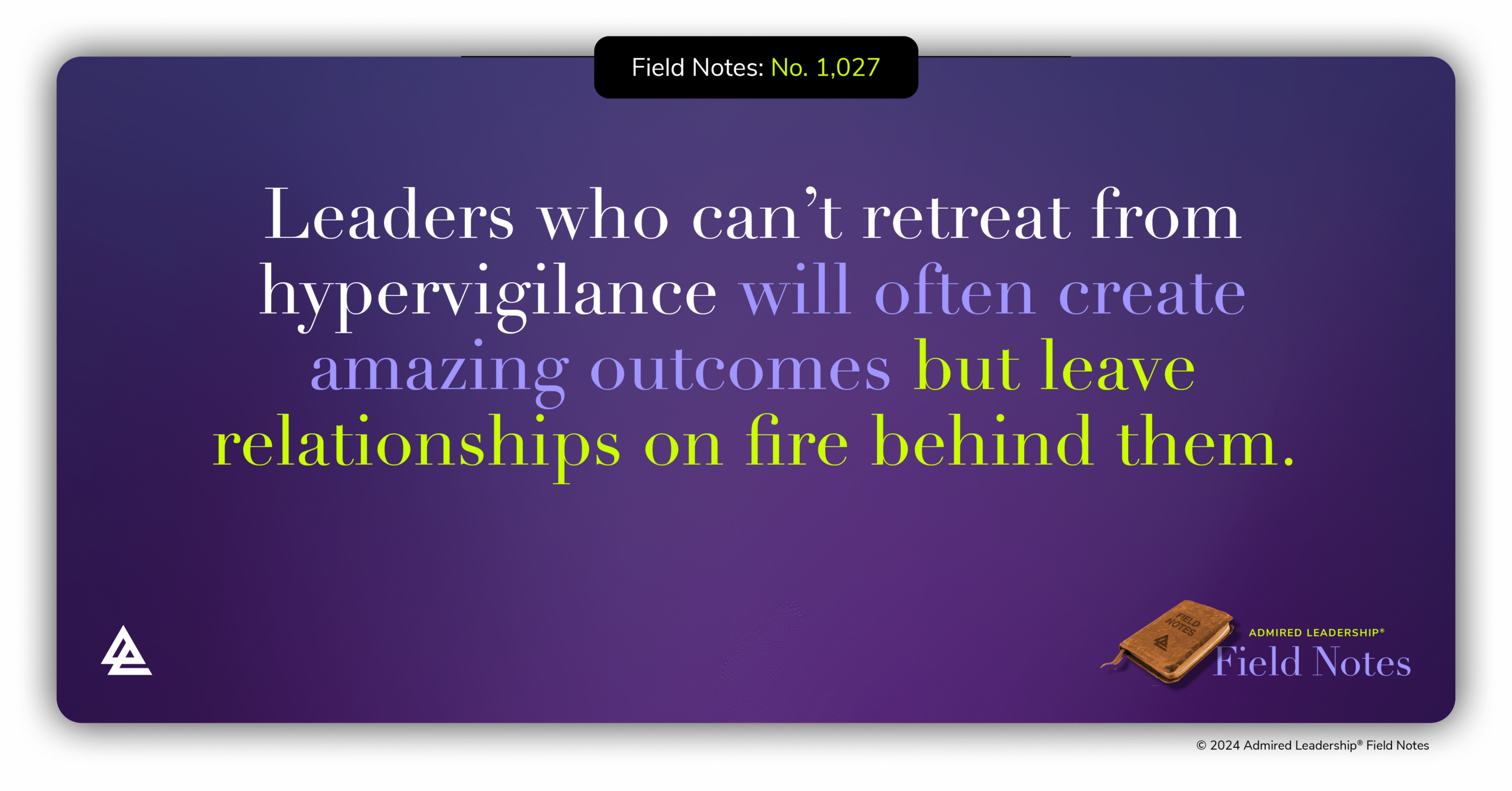
Leaders Who Need to Turn Off Their Relentless Focus
Leaders who are highly driven to learn and excel sometimes can become hypervigilant about everything in their world. Technically speaking, hypervigilance is an elevated state of constant assessment, usually regarding dangers and threats. For law enforcement and military professionals, this excited state of situational awareness can help to protect people from harm. But being on…
-
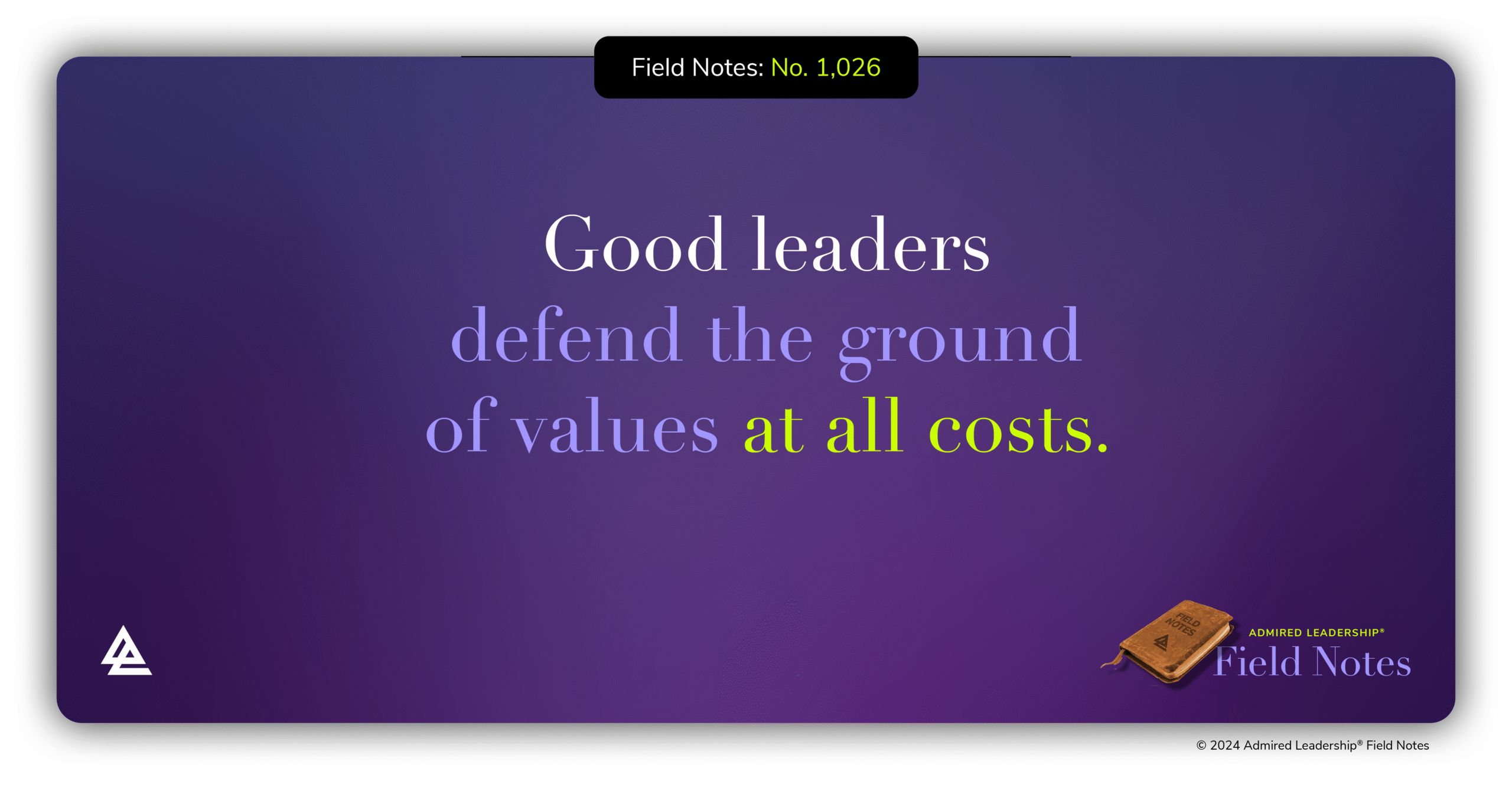
When to Accept Differences in Views and When to Stand Your Ground
The best leaders concede that they don’t have to have their way on many of the decisions critical for executing strategy. They know when to stand their ground over issues, which battles they must win, and when to allow the team to outflank them. Sometimes, winning the argument is how to lose the team. But…