




FieldNotes
Our daily Field Notes email is just the kind of jumpstart you need. A fast read. Maybe less than a minute. Because sometimes it just takes one insight to change the trajectory of the day.

Search Field Notes
-

If You Want Outsiders to Invest, Ask for Their Advice, Not Their Money
Leaders often have to ask outsiders to invest their time, energy, or financial resources to promote the good work they are doing. These requests range from fundraising to capital investment, and from investing time to serving as advisors to a new project or enterprise. Asking those on the outside for money or time is one
-
When Judging Talent, Recruiters Must Weigh All of the Data
Recruiters who scout talent for an organization are sometimes swayed by a particular skill, attribute, or trait that they believe is a difference-maker. If they allow this quality to overwhelm their attraction and assessment, thereby ignoring other data and important success factors, they invariably make a bad call. Even talent scouts as professional and accomplished…
-
Are You Culturally Intelligent?
Being culturally intelligent doesn’t mean you can speak multiple languages or that you have spent a lot of time visiting other countries and cultures. But it does mean you have an open mind and appreciate that different cultures have distinctive norms, values, and practices. The goal of a culturally intelligent leader is to navigate cross-cultural situations with
-
Do You Know the Critical Set of Technical Skills or Actions Required for Your Best Performance?
Great performers and performances depend on the near-perfect execution of a specific set of technical skills. These are the skills, actions, and routines that form the basis of consistency and high-level effectiveness. Mastering them is what great performance is all about.
-
Confirming What Others Think Doesn’t Mean You Agree With Them
People want to be validated and confirmed by those who lead them. Whereas validation recognizes the value of what people do, highlighting their contribution and quality, confirmation underlines the importance of what they say and think. Leaders who are highly confirming of others build trust in a way validation by itself can’t. The critical practice of confirming begins by recognizing
-
Ambitious Goals Work for Teams But Not for Individual Habits
Setting ambitious goals for a team or organization motivates people to perform and serves as a guide for leaders to invest the time, resources, and energy necessary to achieve them. Stretch goals, as they are often called, push team members to reach their highest potential. In many cases, even when the team doesn’t achieve what
-
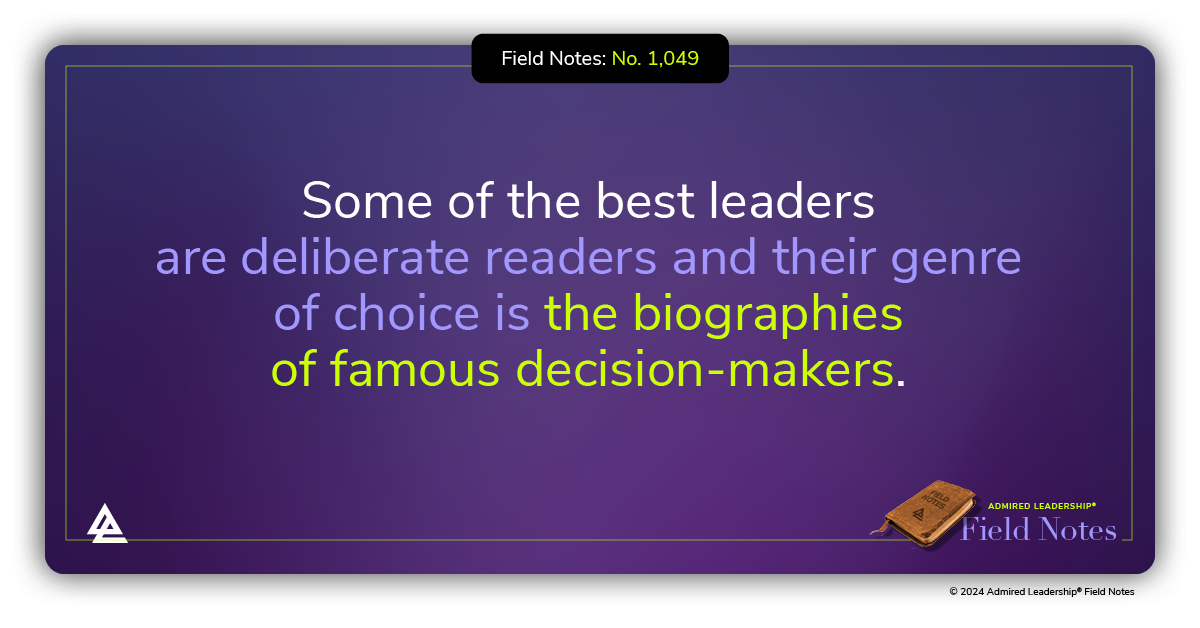
Learning From Famous Decision-Makers
One reason biographies of famous leaders are so popular among those who want to excel is that they rarely get the chance to see other leaders make decisions. As a result, their learning about decision-making is somewhat stunted.
-
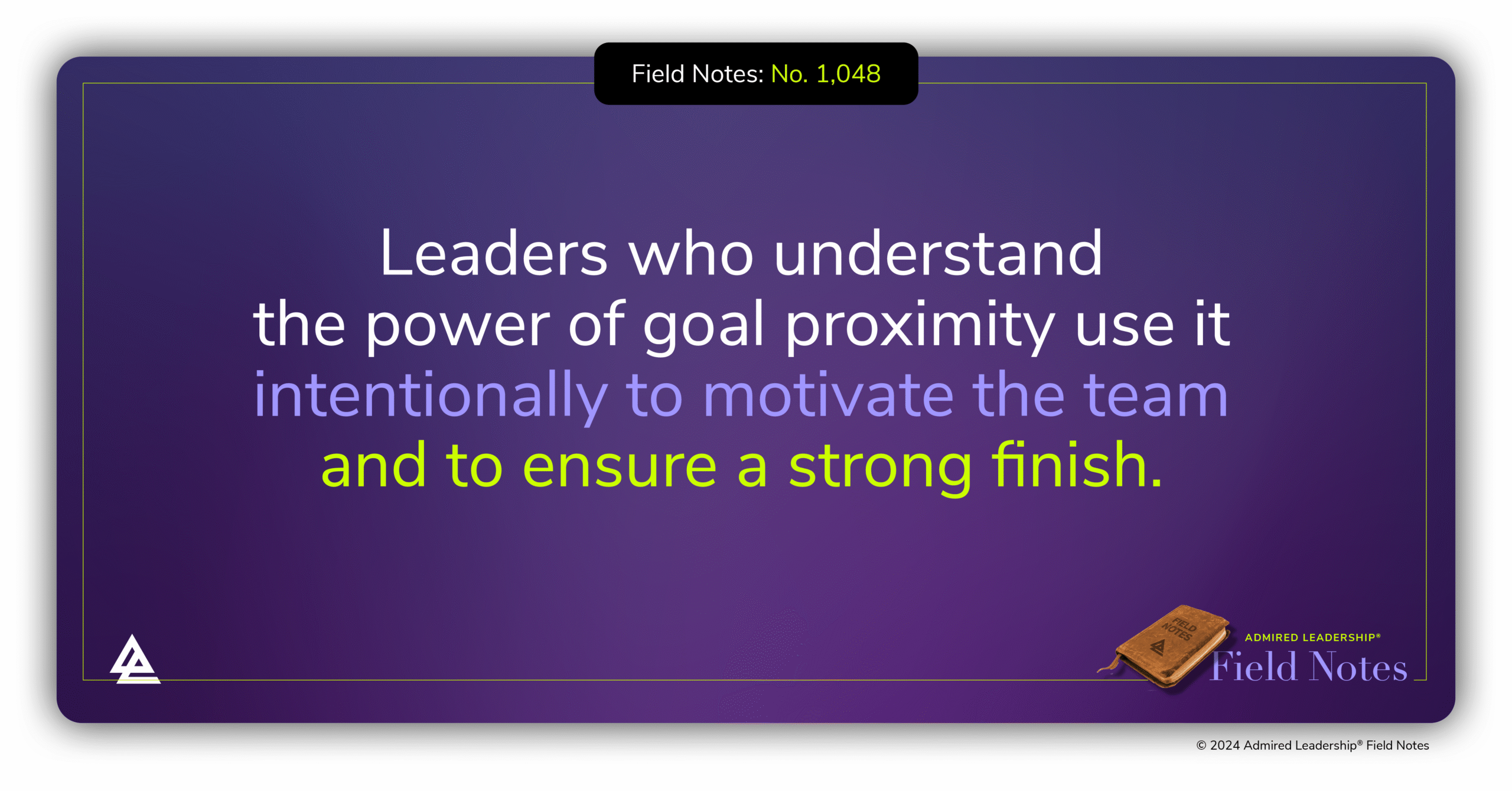
The Power of Nearing the Finish Line
Marathon runners normally run the 26th mile faster than most of the miles preceding it. Theoretically, they should have depleted their energy reserves and be at their slowest, yet they consistently run the last portion of the race at a faster speed. When runners can see or sense the finish line, they make a final
-

Are You a Courageous Delegator?
Leaders who entrust team members with significant new responsibilities, the authority to make decisions, and the autonomy to complete projects without seeking approval when those colleagues are not quite ready for the challenge can be said to have engaged in courageous delegation. Are You a Courageous Delegator?
-
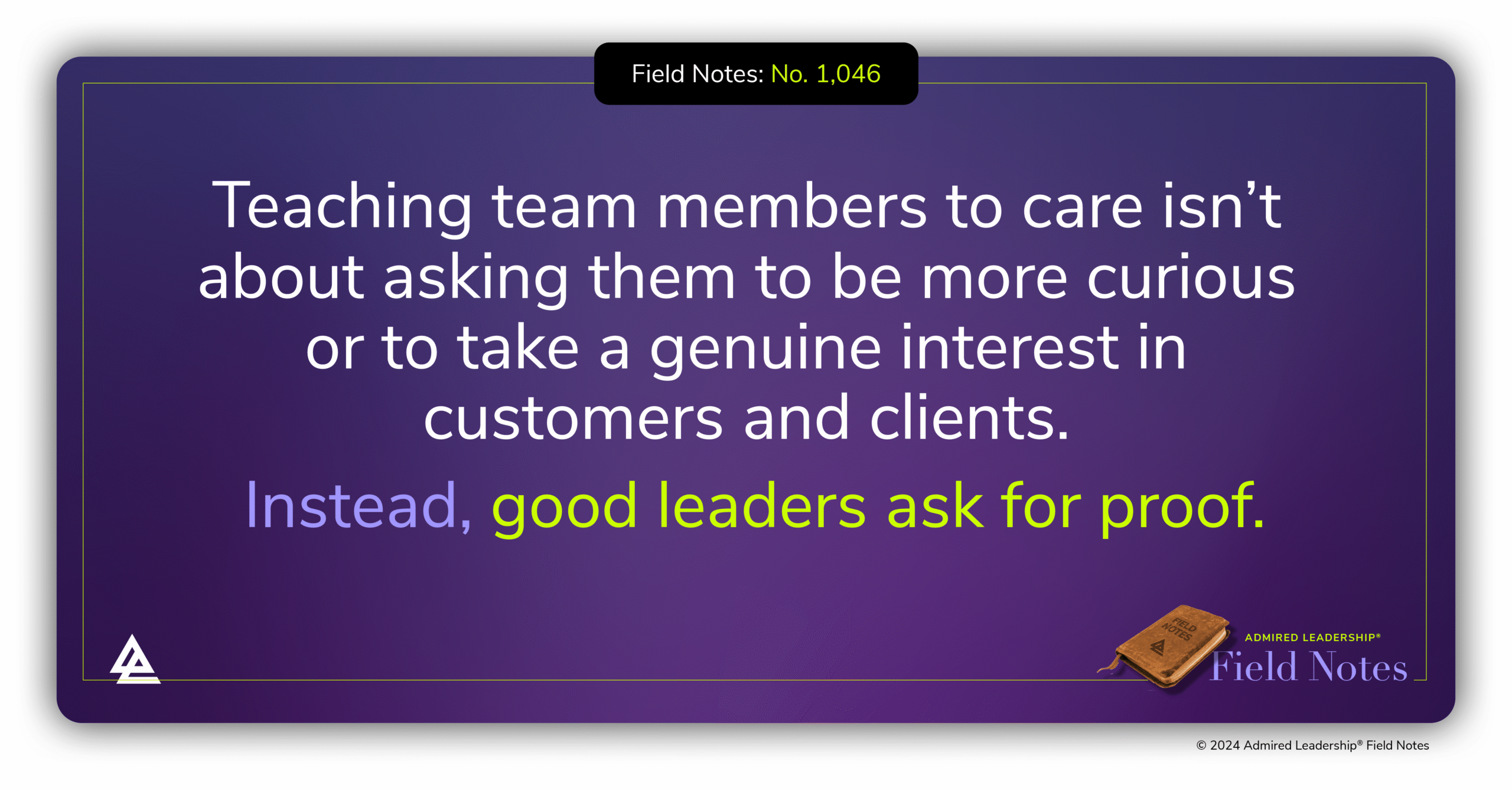
Teaching Team Members to Care About Customers and Clients
Teaching team members to care isn’t about asking them to be more curious or to take a genuine interest in customers and clients. They think they already do that, even when they don’t. Instead, good leaders ask for proof. And the proof is in what they know about specific customers and clients, not in what…