




FieldNotes
Our daily Field Notes email is just the kind of jumpstart you need. A fast read. Maybe less than a minute. Because sometimes it just takes one insight to change the trajectory of the day.
Search Field Notes
-

When You Strongly Disagree, Show Your Work
Showing the steps used to reach a conclusion not only explains your reasoning but fully demonstrates your skill. Those who are suspicious about how you reached the outcome or whether you might have taken a shortcut are reassured when they can examine the steps you used to get there. This is equally true for leaders
-
Creating a Competition for Innovation
Promoting a culture of innovation is no easy matter. One problem is that creativity is not equally distributed among team members and bursts of insight don’t happen on schedule. Getting team members to innovate and think creatively is not something leaders can mandate. Even crafting processes to promote innovation inside organizations has been shown to…
-
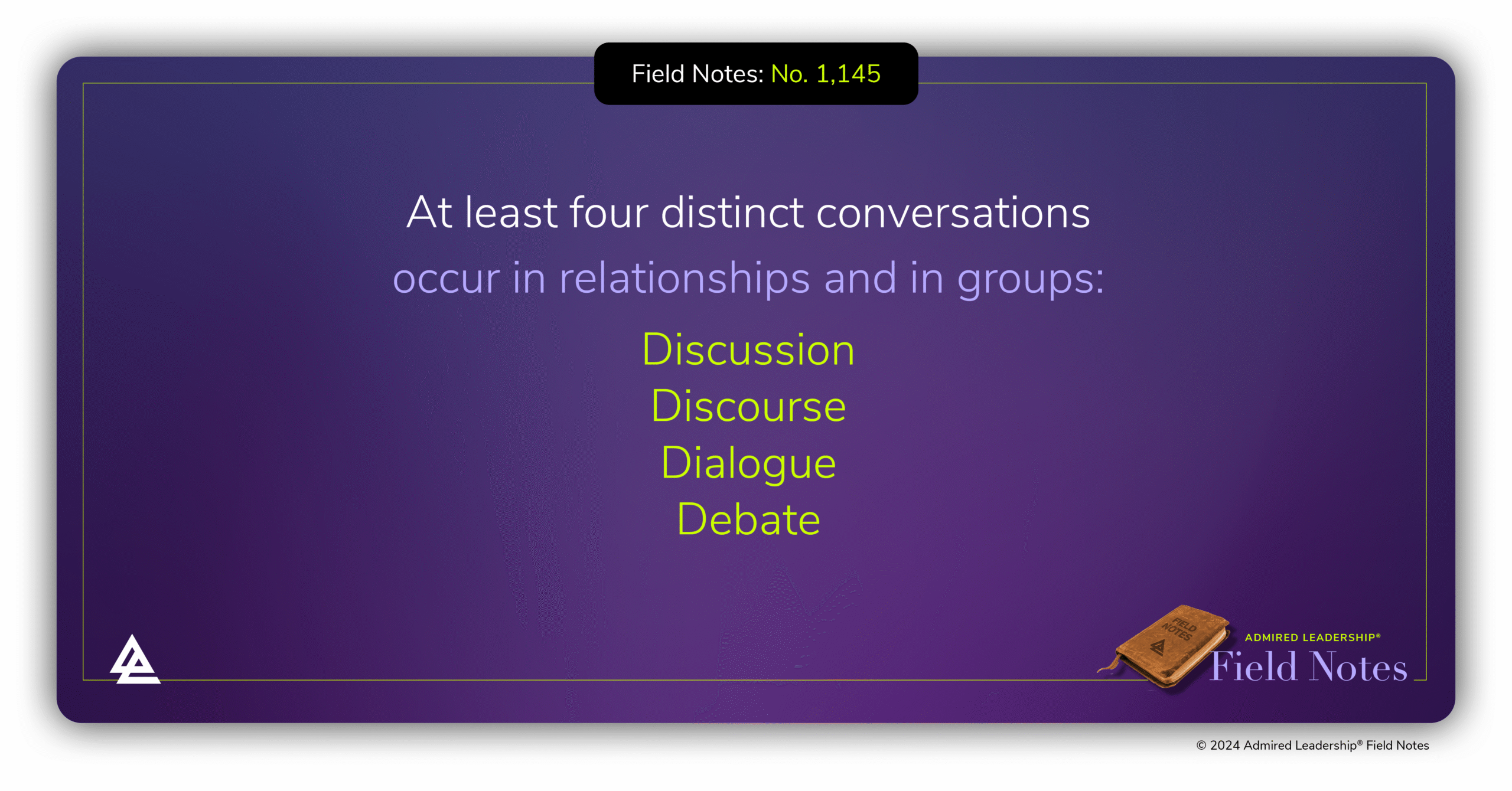
Leaders Who Treat Conversations as Debates
Leaders who prefer debate would be wise to mix it up more often and recognize the distaste they create through continual competitive exchanges. Debate is a valuable conversation when choosing between two options with strong advocates on both sides. The best leaders save this particular conversation for the moments when a forced choice is needed.…
-
Given the Pace of Change, are Strategic Plans and Business Forecasts Still Useful or Even Necessary?
In a world of fast change, checking in and revisiting any plan or forecast more frequently is essential. What this means for leaders and organizations is an ongoing planning process that occurs quarterly or even monthly. Anything less suggests a plan that will likely become obsolete before leaders can catch up. Long-term planning is now…
-
Team Members Who Are Too Easily Intimidated
Even highly confident and assured people can feel intimidated by others at times. They can feel overwhelmed by those who are more confident than they are or who are highly expert and express their views more forcibly. This can make them highly self-conscious and doubtful of their own knowledge. For those with anxiety or lower
-
Leaders Who Unintentionally Intimidate Others
Because of their influence and status, leaders can intimidate others without meaning to. An intense focus on getting things right and getting things done can project an intimidating presence to those they lead. Good leaders don’t purposely want to intimidate people, but too often they accept the fact that they overwhelm others without trying to…
-
How Leaders Can Elevate Dignity in the Workplace
It goes without saying that all team members have inherent worth and value. While respect and trust are earned over time through actions, dignity is innate and part of the human condition. Leaders don’t give people dignity. They honor it through their actions and treatment of others. Or fail to. At the core of all…
-
Good Leaders Offer Perspectives More Than Opinions
In a world full of opinions, the best leaders recognize the superior value of a perspective. While both opinions and perspectives guide choices and decisions, there is a world of difference between them. An opinion represents a belief or judgment about a topic or issue that is grounded in feelings, emotions, and values. Opinions are fast
-
The Essential Strategy of Repurposing an Existing Product or Resource
Once an organization or team develops valuable products, content, or materials that have a robust shelf life, leaders should consider expanding their strategy to bring that value to others who would benefit from what already has been created. Before investing in the development of new offerings, savvy leaders do their best to get even more
-
Gauging the Productivity of Team Members Who Work Remotely
Despite most teams operating successfully in a hybrid workplace model, some leaders are still suspicious about the engagement and productivity of team members when they work remotely. While they experience and observe the benefits of remote work, they remain uncomfortable with how team members set their own boundaries for getting tasks and assignments done. These