




FieldNotes
Our daily Field Notes email is just the kind of jumpstart you need. A fast read. Maybe less than a minute. Because sometimes it just takes one insight to change the trajectory of the day.
Search Field Notes
-

When Selecting Between Internal and External Candidates, Give the Insider the Edge
When selecting talent for a critical position, leaders often evaluate talent from inside and outside the organization. You would think internal candidates would have a leg up in this selection process. After all, they have a track record within the existing organization, and their skills and talents are well known and proven. But external candidates
-
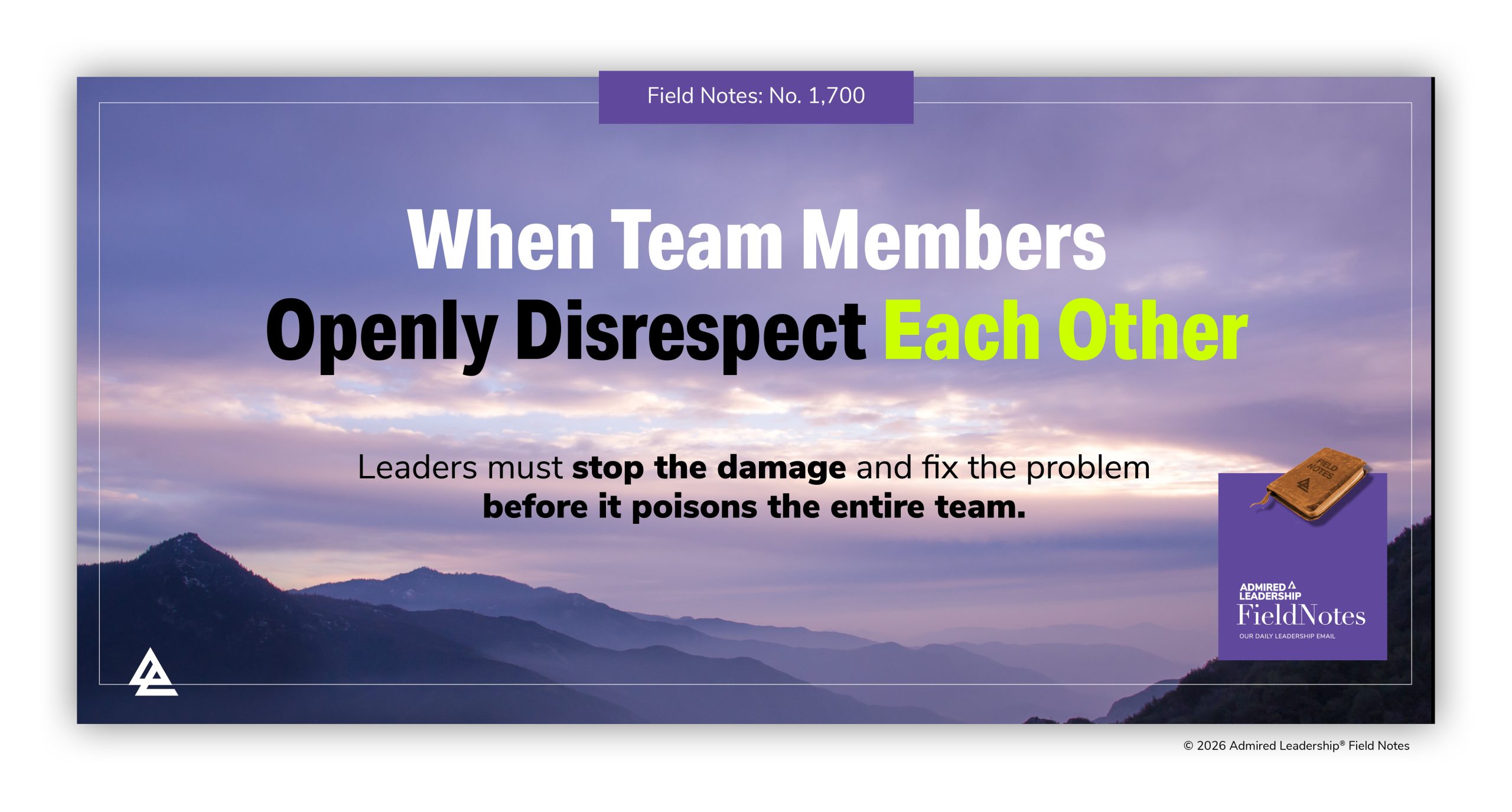
When Team Members Openly Disrespect Each Other
Disrespect between team members can severely change how the larger team interacts. When it is obvious that one or more team members disrespect the competence or character of a colleague, the dynamic within the team becomes guarded, uncomfortable, and less open. Leaders must stop the damage and fix the problem before it poisons the entire team.
-
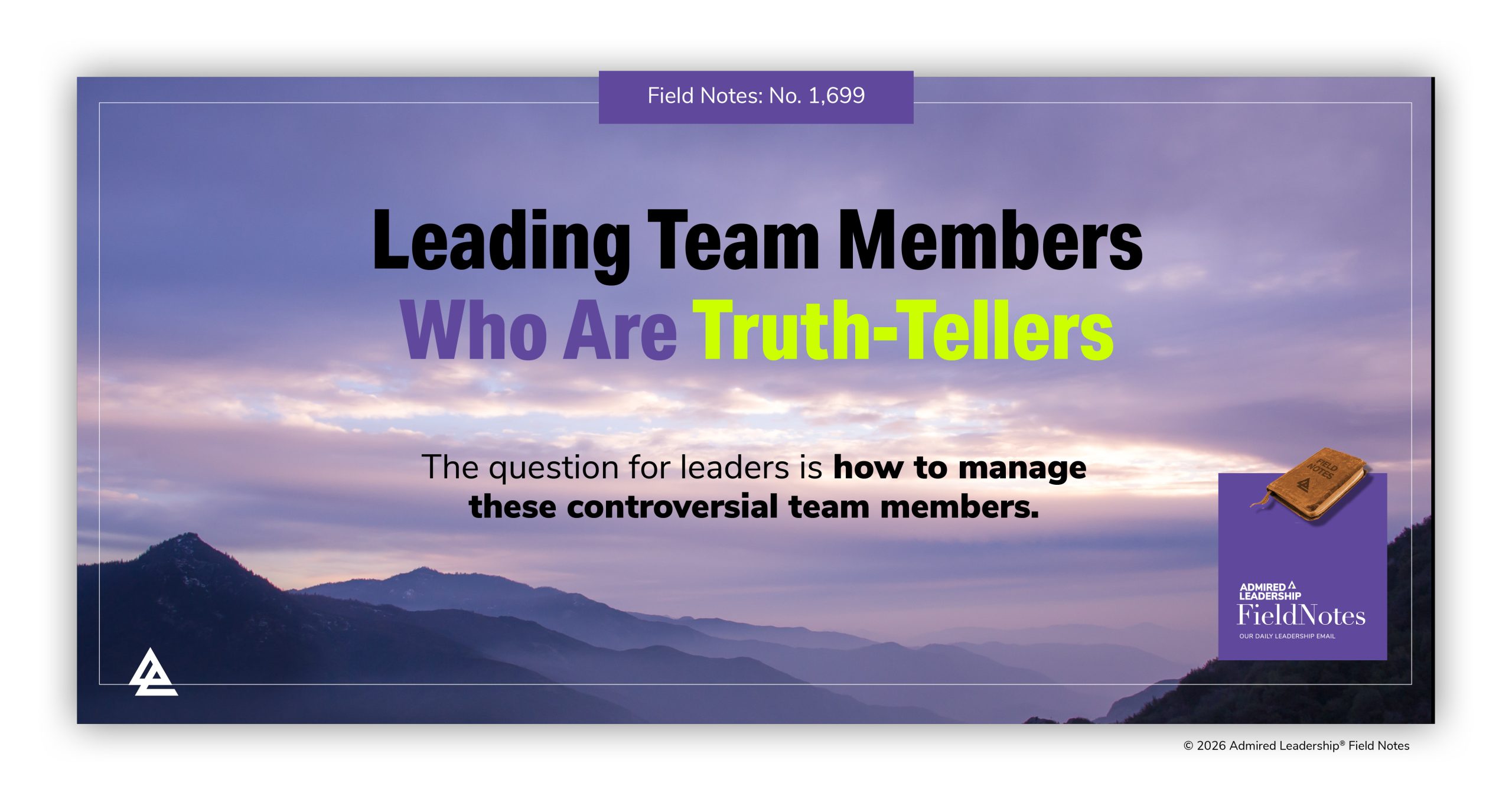
Leading Team Members Who Are Truth Tellers
Some team members prefer to speak their mind. Unfortunately for the team, they offer their direct and candid views about everything and all the time. They believe anything less lacks integrity, even though their remarks often offend, insult, and miss the point. Managing a team member who contributes unedited and unfiltered viewpoints often means doing
-
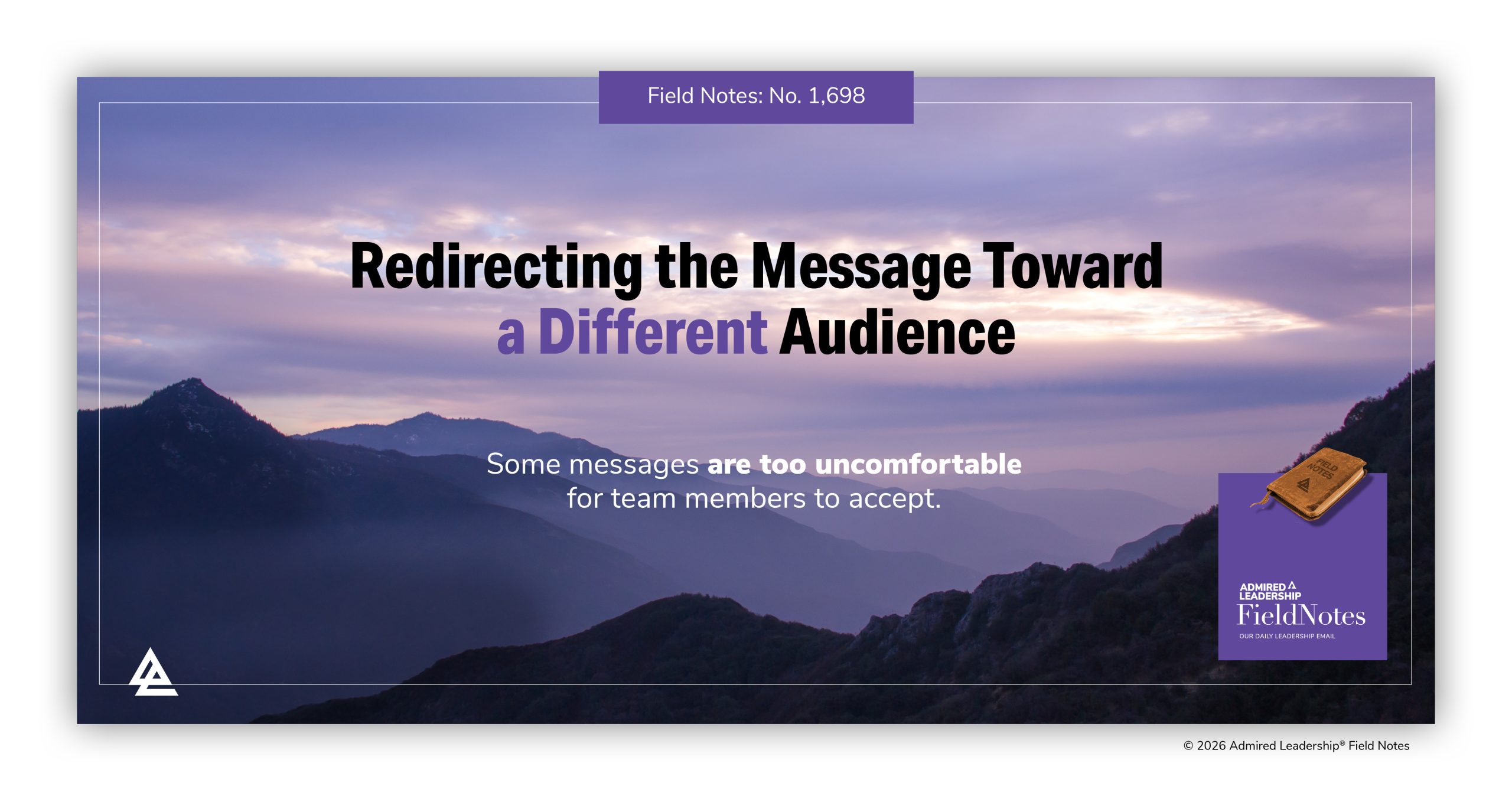
Redirecting the Message Toward a Different Audience
Redirecting the Message Toward a Different Audience
-

Organize Your Relationships by Location & Activity
As your network of relationships expands, it becomes increasingly hard to keep track of the many people you know and value. When planning trips and events, remembering who to reconnect with is a common challenge. The best way to remedy your faulty memory is to organize your relationships by city and activity.
-
How Overcoming Adversity Builds Emotional Maturity
Emotionally mature leaders and team members show up differently, especially under pressure and in conflict. They know how to regulate their emotions and not allow them to negatively influence their thinking and reactions. They can sit with awkward and uncomfortable feelings—such as rejection, uncertainty, and criticism—without dramatizing them. This makes emotional maturity a critical asset for every leader and
-
Indecisive or Just Waiting Too Long to Make a Decision?
Most leaders aren’t indecisive. They just wait too long to decide. They get bogged down in collecting and analyzing data and asking everyone for their view. Instead of making a call, they keep talking about the choices ad nauseam. When everyone is ready for them to settle the matter, they prefer to keep discussing the
-
Reciprocity and the Power of Sequential Requests
If you’re on the call list of potential donors for any charity or non-profit, you have likely been subjected to a sequential request strategy without knowing it. Sequential Requests are highly effective. And that has made them very popular in fundraising and sales arenas. Making requests in a planned order doesn’t sound like much of…
-

Why Gratefulness Is a Predictor of Talent
As leaders look to discern talent, one attribute that is often overlooked is the attitude of gratefulness. People who feel and express gratitude tend to reflect on experiences more accurately and extract lessons from outcomes.
-
How to Recover When You Lose Track of the Conversation
The energy and focus it takes for leaders to stay fully engaged with others in meetings, discussions, and conversations is enormous. Distractions are everywhere, and the mind can wander. Having the responsibility for an overwhelming stack of priorities and issues means even the best leaders can get sidetracked on occasion and lose track of what…