




FieldNotes
Our daily Field Notes email is just the kind of jumpstart you need. A fast read. Maybe less than a minute. Because sometimes it just takes one insight to change the trajectory of the day.
Search Field Notes
-

Expand Your Crystallized Experience
When you ride a bike, you’re depending on crystallized intelligence to keep you upright. The facts and skills acquired over a lifetime represent the crystallization of what you know. Crystallized knowledge differs from what we call fluid intelligence, which is the ability to reason and think through a problem. Crystallized intelligence is the capacity to learn new things,
-
Knowing What Really Matters
Some leaders make an issue when office supplies are not in their proper places, and some leaders don’t. For some leaders, a colleague who sits at the head of the conference table at every meeting is a matter worth confronting, and for others it is merely an annoyance and nothing more. The question leaders face
-
Reading People When You Have Limited Information
Have you compared notes with a colleague and realized you had an entirely different take on how a meeting went or how someone responded to a situation? Reading people is a superpower skill and one leaders can never be too good at.
-
When an Audience Makes Matters Worse
People play to an audience, especially in conflict situations. Because identity issues important to protecting and saving face are so pervasive in conflict, the presence of others during an exchange will often intensify feelings of ridicule, embarrassment, and humiliation when even the slightest provocation exists.
-
Too Far Is Just as Bad as Too Close
When we are too close to an issue, we can’t see the forest for the trees. Leaders who normally know exactly what to do about an issue can be blinded when the problem involves them or people they care deeply about.
-
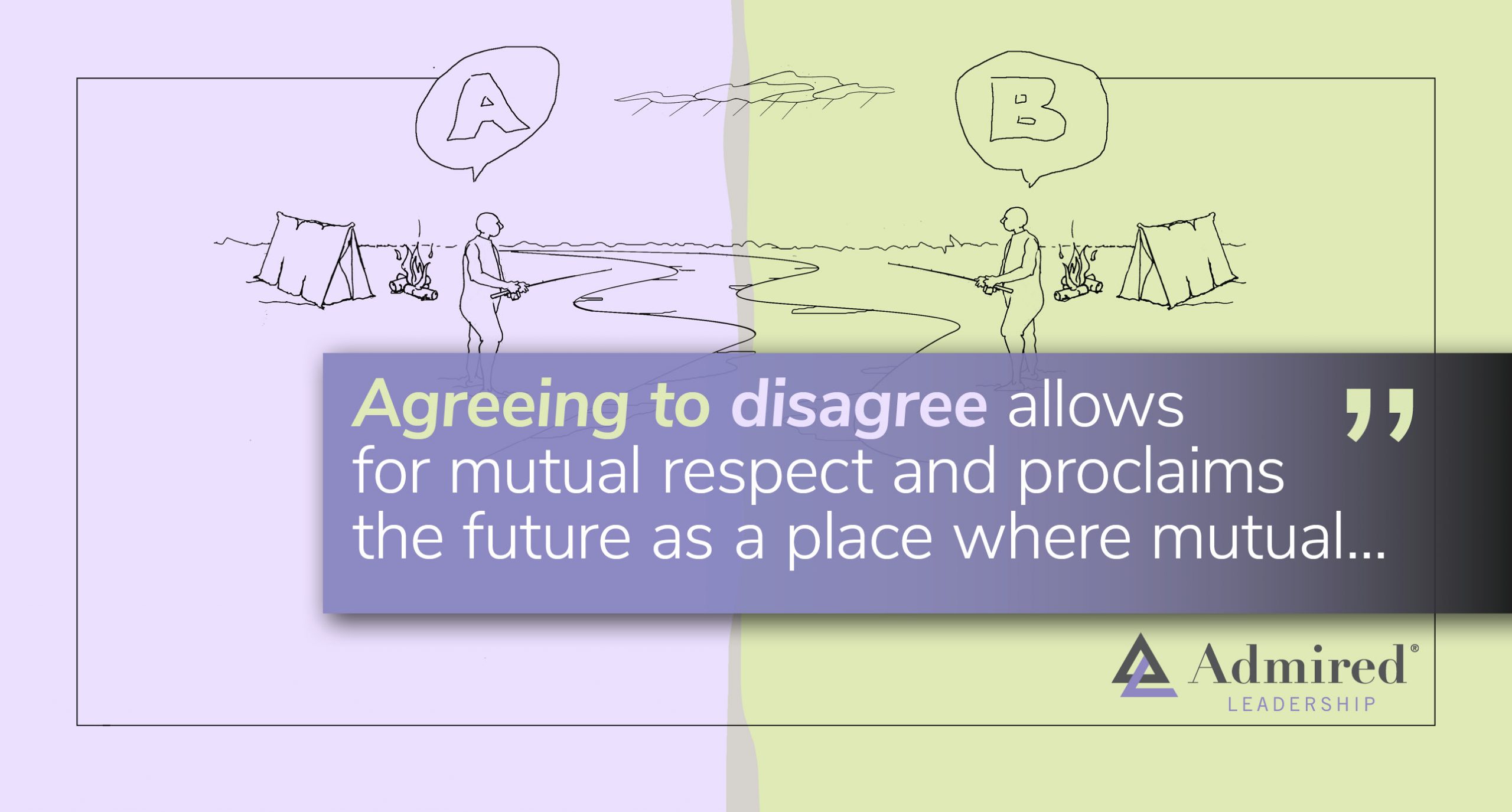
Learning to Agree to Disagree
Disagreeing with others is both natural and necessary. We advance our ideas by struggling through our disagreements with others and by learning how they see things differently. We gain clarity by advocating for what we believe in and hearing the arguments and reasons others offer, in both support and opposition. This is how leaders learn.
-
The Personal Urgency to Achieve
Sonia Sotomayor made history in August 2009 when she was appointed as the first Hispanic Supreme Court Justice. Doing so while overcoming a lifelong battle with diabetes made her ascension to the nation’s highest court all the more impressive.
-
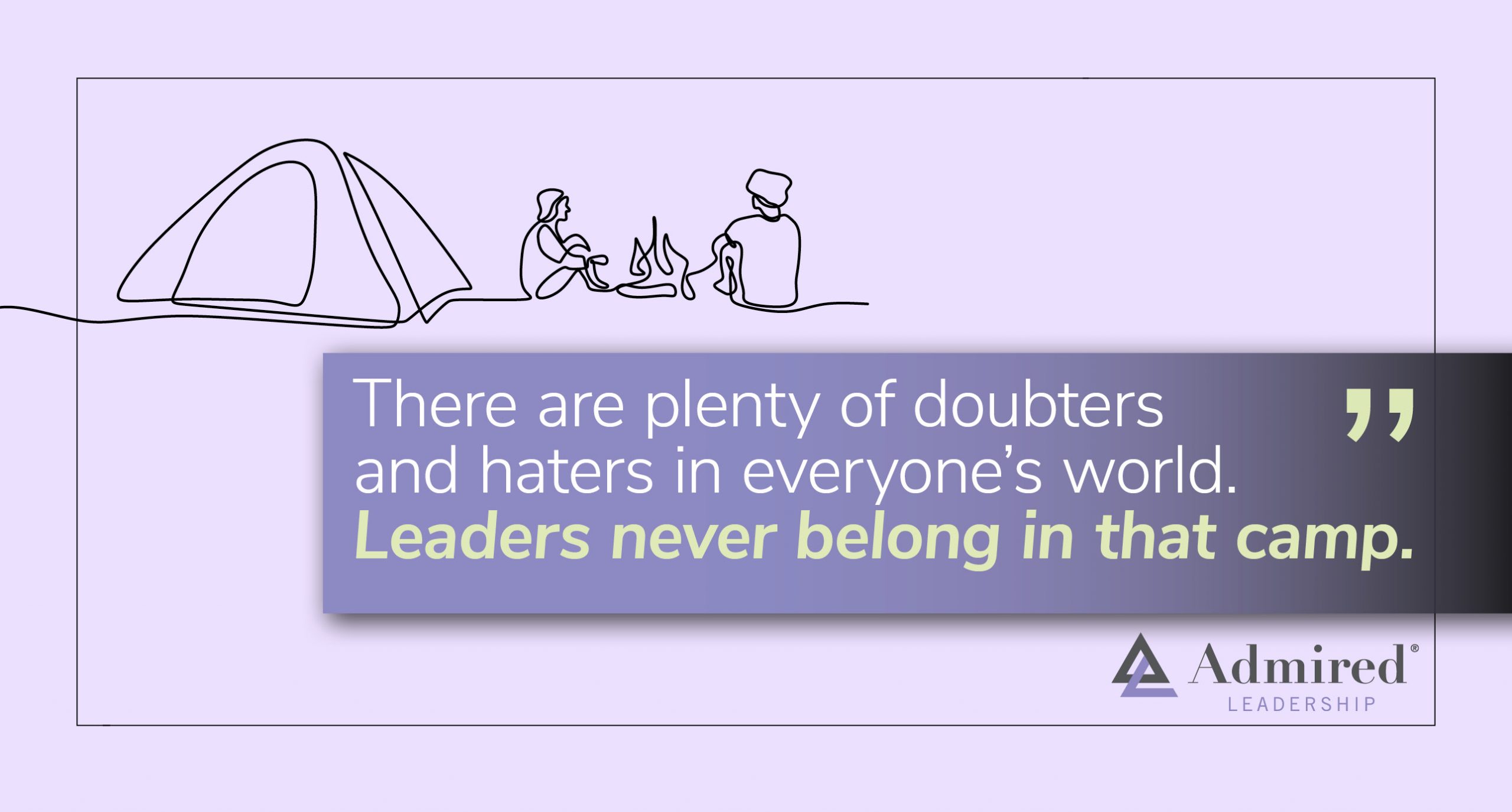
The Best Revenge Is to Prove Them Wrong
Challenging others to work harder, smarter, and with higher purpose is something leaders do naturally. But making gloomy predictions about future success to turbo-charge motivation is a risk good leaders won’t take. There are plenty of doubters and haters in everyone’s world. Leaders never belong in that camp.
-
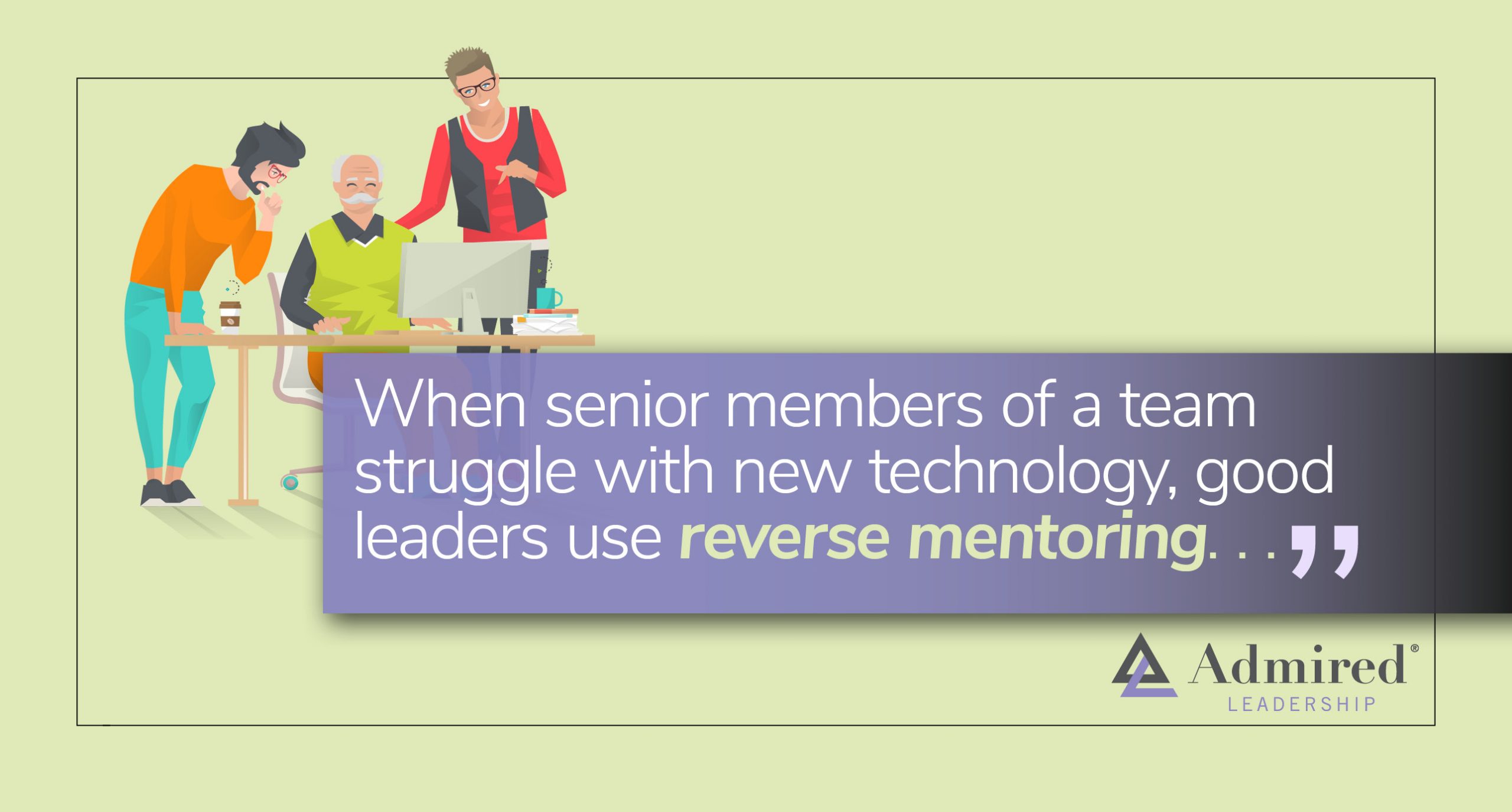
What Senior Team Members Want But Won’t Ask For
They won’t ask for it. They won’t admit it. But the senior people in your organization need help — help with keeping pace with changes in technology.
-
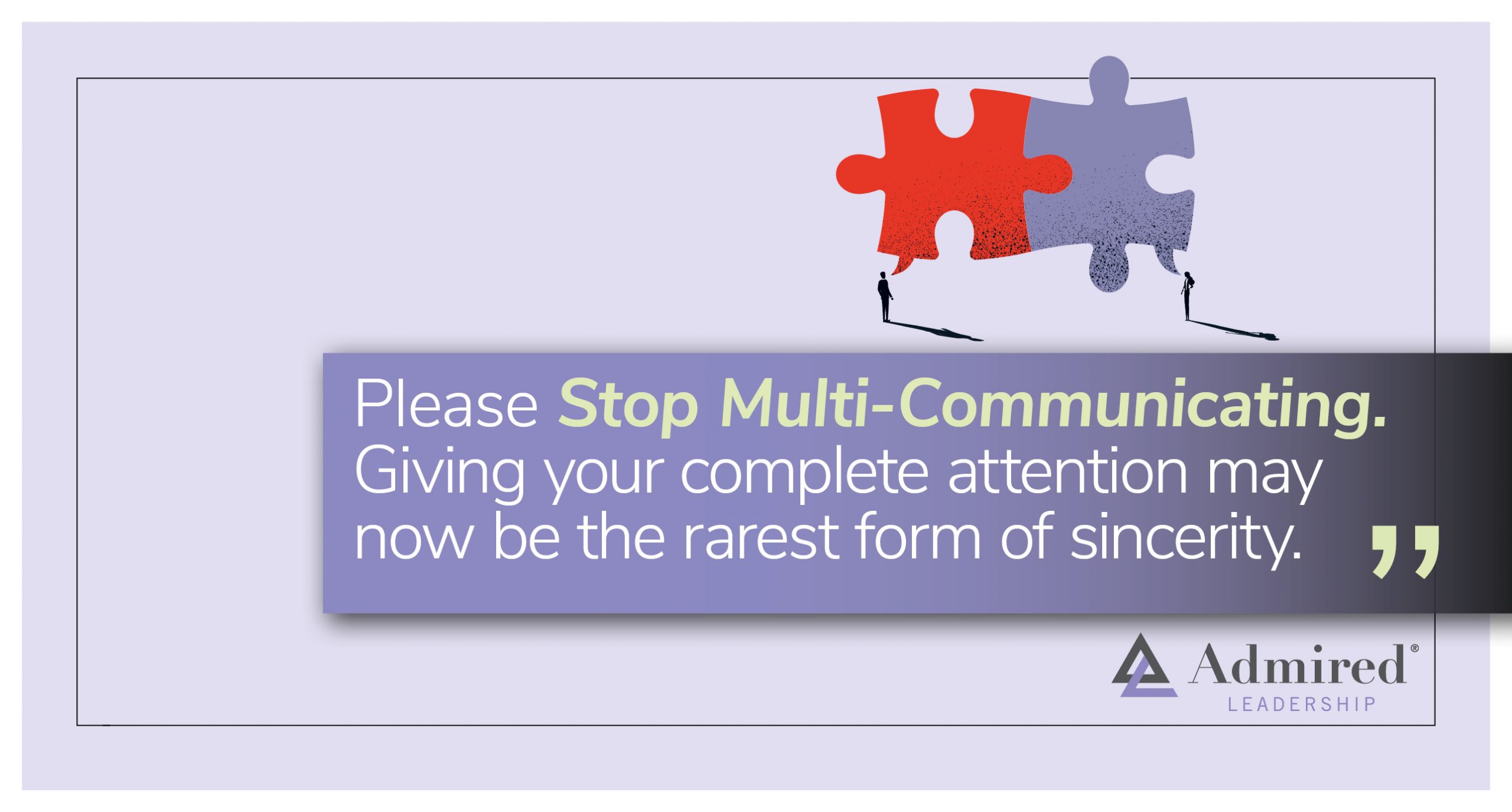
Please Stop Multi-Communicating
Let’s be honest. You maintain two separate conversations at the same time more than you realize. You text when you are on virtual calls. You read emails while on the phone. You glance at your phone to see who called when talking with others.