




FieldNotes
Our daily Field Notes email is just the kind of jumpstart you need. A fast read. Maybe less than a minute. Because sometimes it just takes one insight to change the trajectory of the day.
Search Field Notes
-
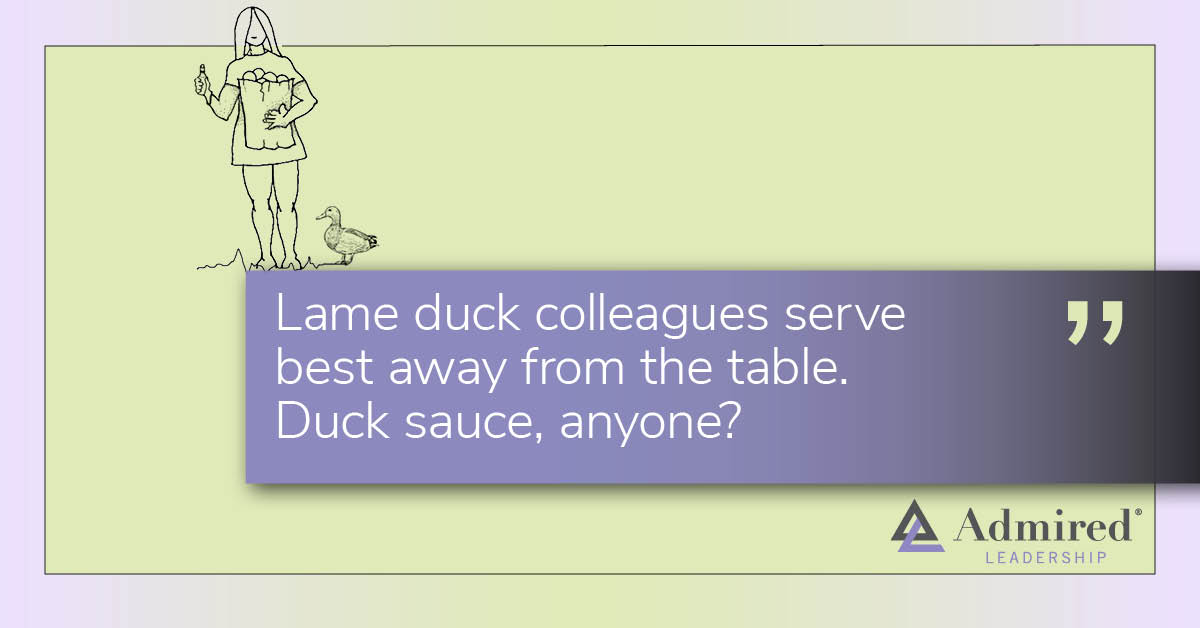
Should We Encourage Lame Duck Colleagues to Stick Around?
There is little upside in allowing lame duck colleagues to hang around. The sooner they disappear, the faster others can focus on the tasks at hand. Days, not weeks, will be the best strategy for dealing with all leavers.
-
How Will This Decision Make Me Look
Making quality decisions often means NOT listening to the voice of a certain someone sitting on your shoulder. That’s not your conscience speaking. That’s bias telling you to listen to what others might think. Ignore them. Your ability to consistently make great decisions depends upon it.
-
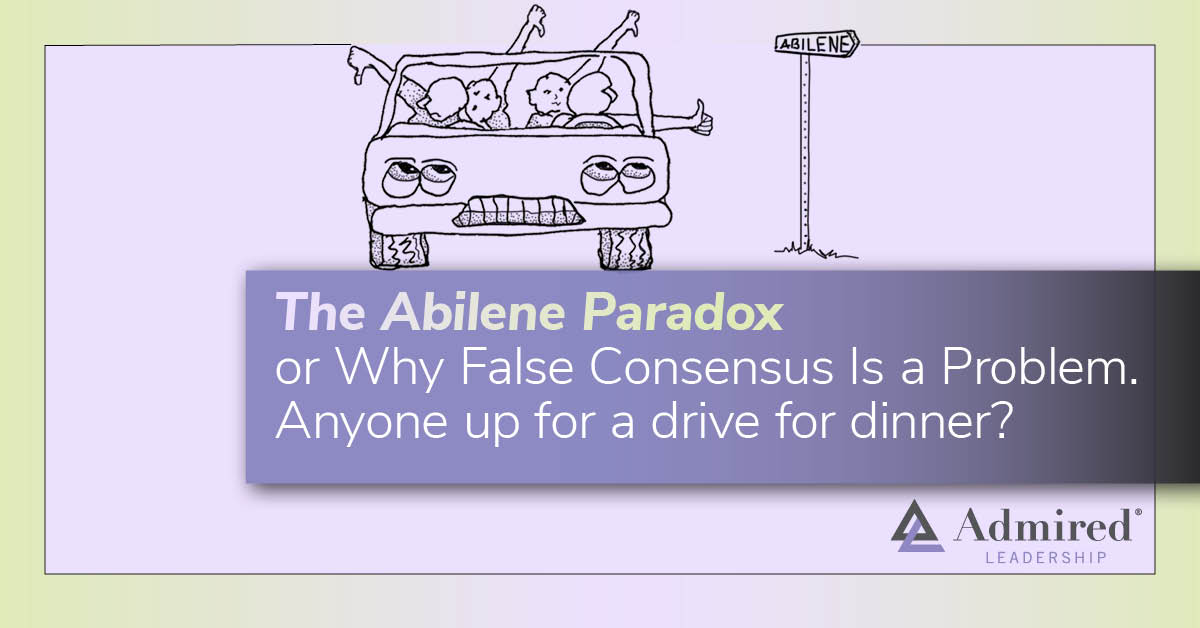
The Abilene Paradox or Why False Consensus Is a Problem
False consensus is more common with groups that lack members with a diversity of experience and viewpoints, are comprised of members who highly respect each other, and are known for being highly collaborative. But no team or group is immune from this particular brand of groupthink. The best leaders don’t take the chance a team…
-

Invoking Mount Olympus
Some people drop names to feel important. Others name drop as validation for what they believe. And some throw names around to signify the kind of conversations they are a part of. As annoying as name-dropping is, it relatively harmless. Unless it is used to influence others. And then it is extremely destructive. Colleagues who
-
Proactive Strategy or Self-Defeating Prophecy?
Fear of a future negative consequence from inaction often encourages proactive thinking to get ahead of the issue and cut it off at the pass. Anytime we create a solution for a problem that has yet to materialize, we are thought to be proactive, acting in anticipation to avoid an avoidable problem. Enacting solutions before
-
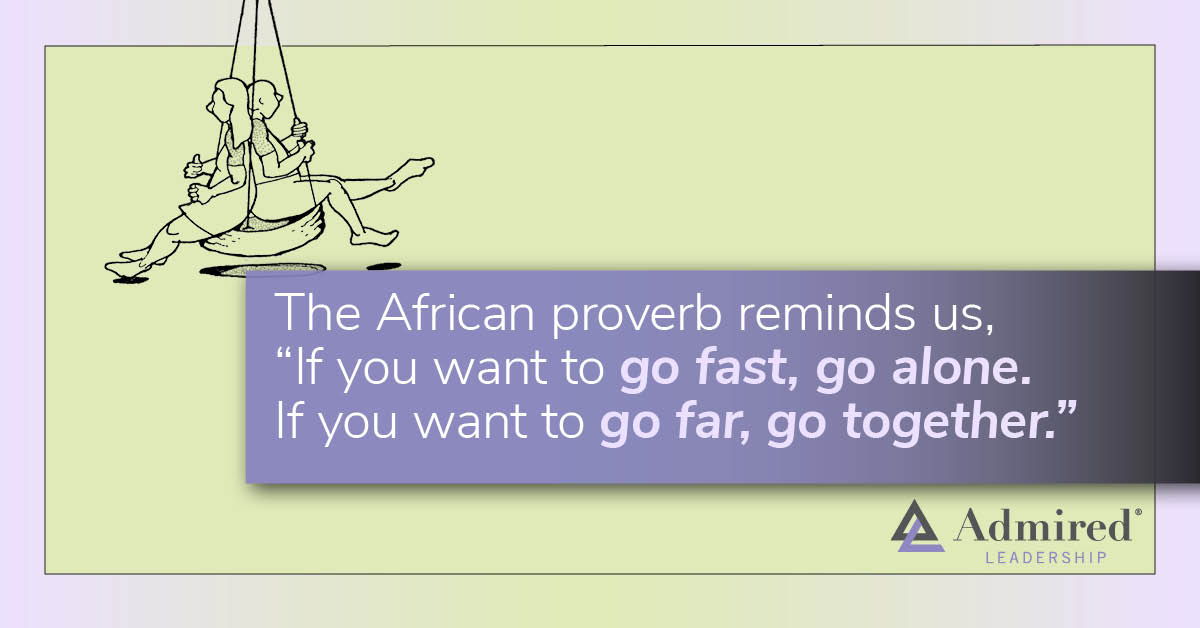
Go Fast or Go Far
One of the toughest challenges facing leaders is when to delegate work they themselves can do better and faster. And without the time it takes to explain and educate someone else. But the only way for others to learn and develop is to be given the chance to do what their leader can do more…
-
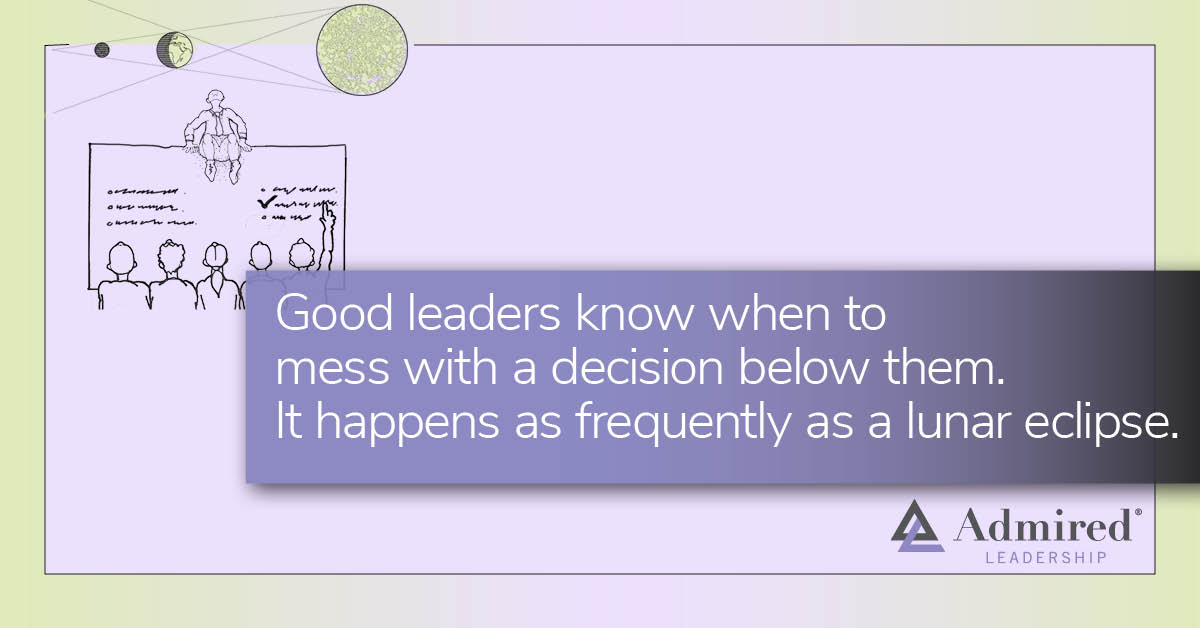
Colleagues That Shop Decisions
Less effective leaders like the feeling of power they get when opining and exerting influence on every decision. Unfortunately for them, this is no way to run a railroad. Their need for control and the desire to tinker with decisions below them bankrupts the ability of others to lead. Decision quality and acquiring buy-in both…
-
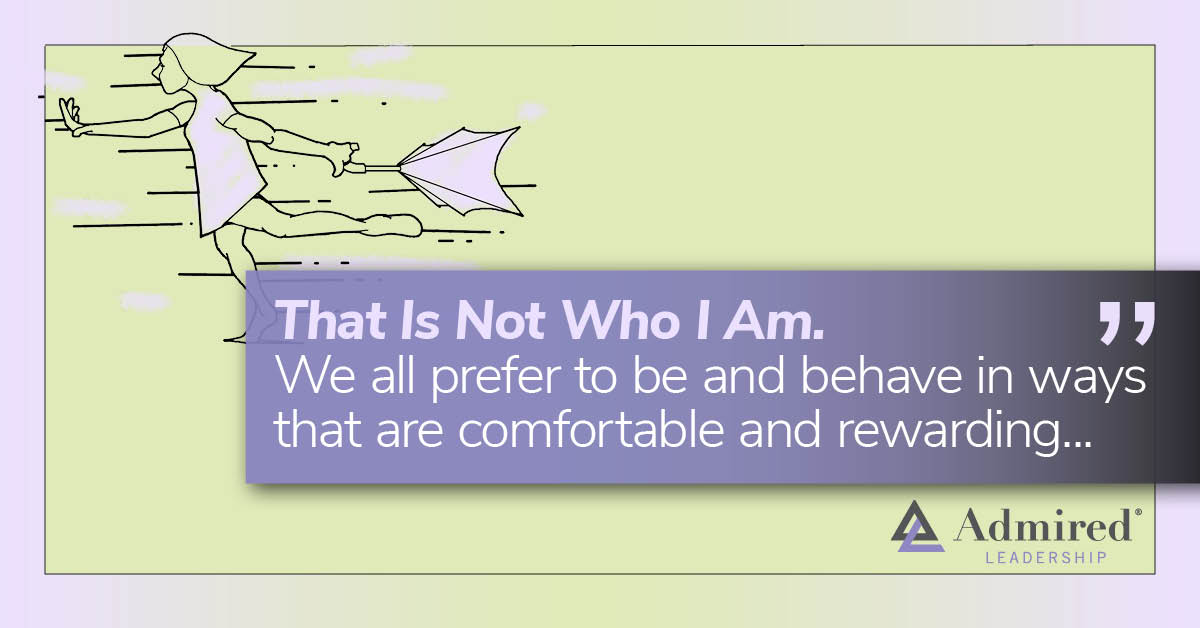
That Is Not Who I Am
Self-improvement begins with a rejection of the fixed mindset of who we are. Who we are is a reflection of how we behave. Very few behaviors arise from the depths of our DNA. Who we like to be, and don’t like to be, confronts everyone who is trying to become a better version of themselves.…
-
Colleagues Who Leave Because of High Expectations
High performers love to own outcomes and move toward responsibility. For them, control and autonomy over projects and tasks are performance-enhancing drugs that empower great effort and work. Those driven by excellence and successful outcomes are mystified by colleagues who don’t seem to be inspired by challenge, high standards, and the pursuit of excellence.
-
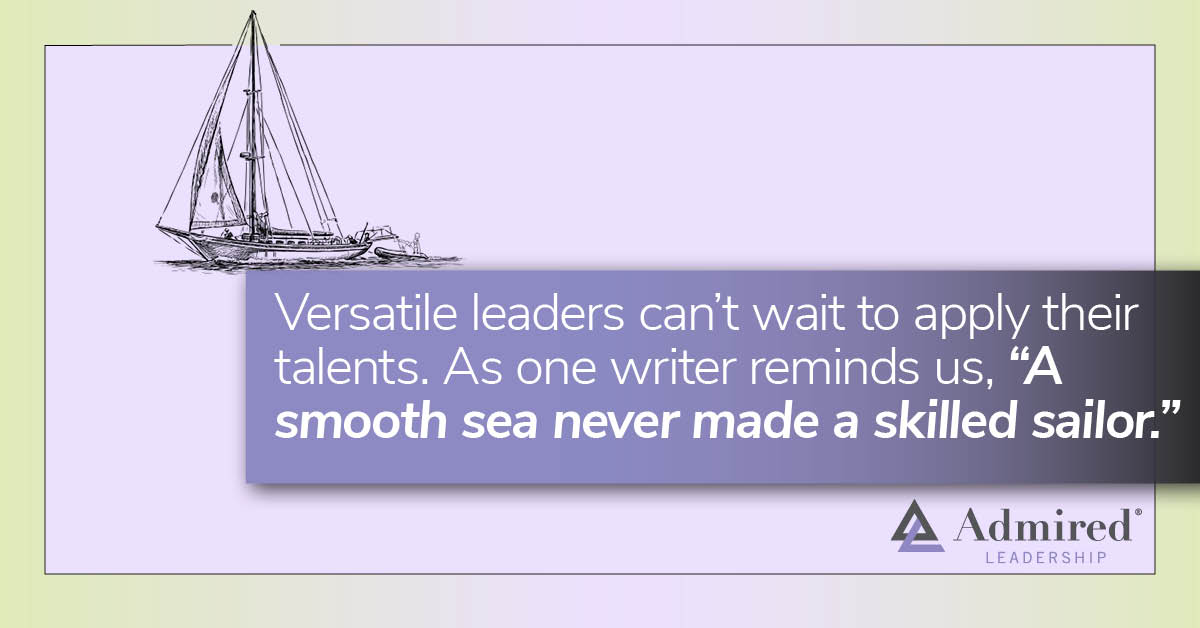
Versatility Is Required for Mastery
Versatility is the hallmark of high performers. A versatile performer combines a mastery of skills and the ability to apply them creatively in a myriad of situations. That’s why high performers are said to have more range.