




FieldNotes
Our daily Field Notes email is just the kind of jumpstart you need. A fast read. Maybe less than a minute. Because sometimes it just takes one insight to change the trajectory of the day.

Search Field Notes
-
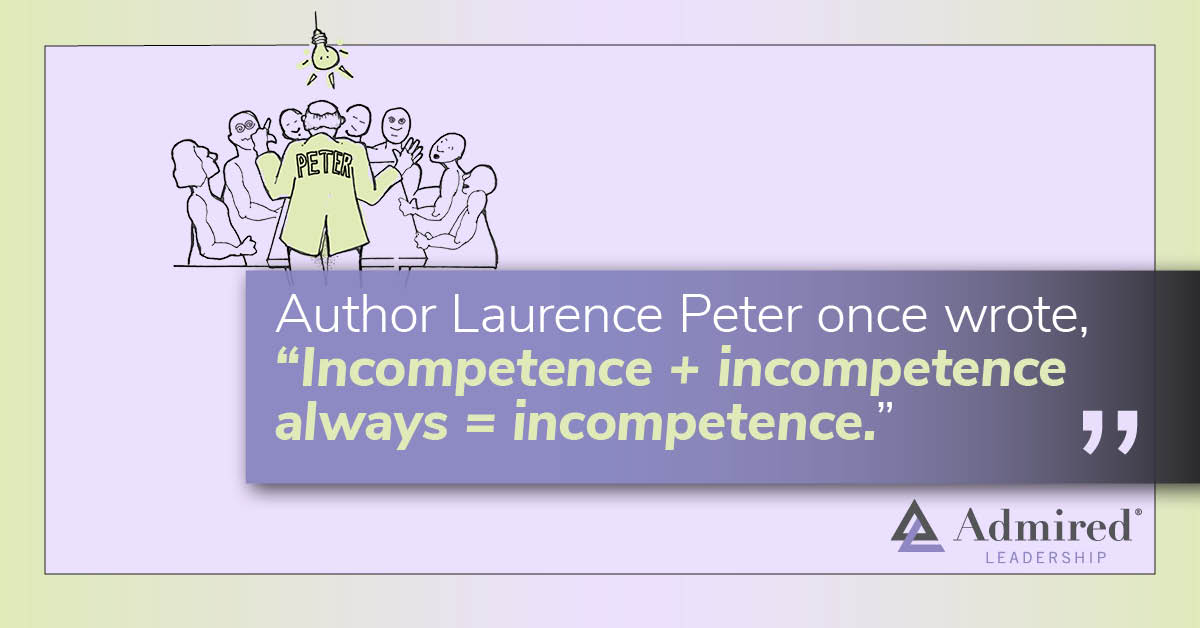
Why Incompetent People Are Promoted in Organizations
Good organizations and teams have learned an important lesson. The best way to prevent the Peter Principle is to offer skill training, coaching, and mentorship promoting people. Using skill development as a prerequisite to promotion encourages an honest conversation about who is, or is not, ready for the next role. Of course, leaders must first identify…
-
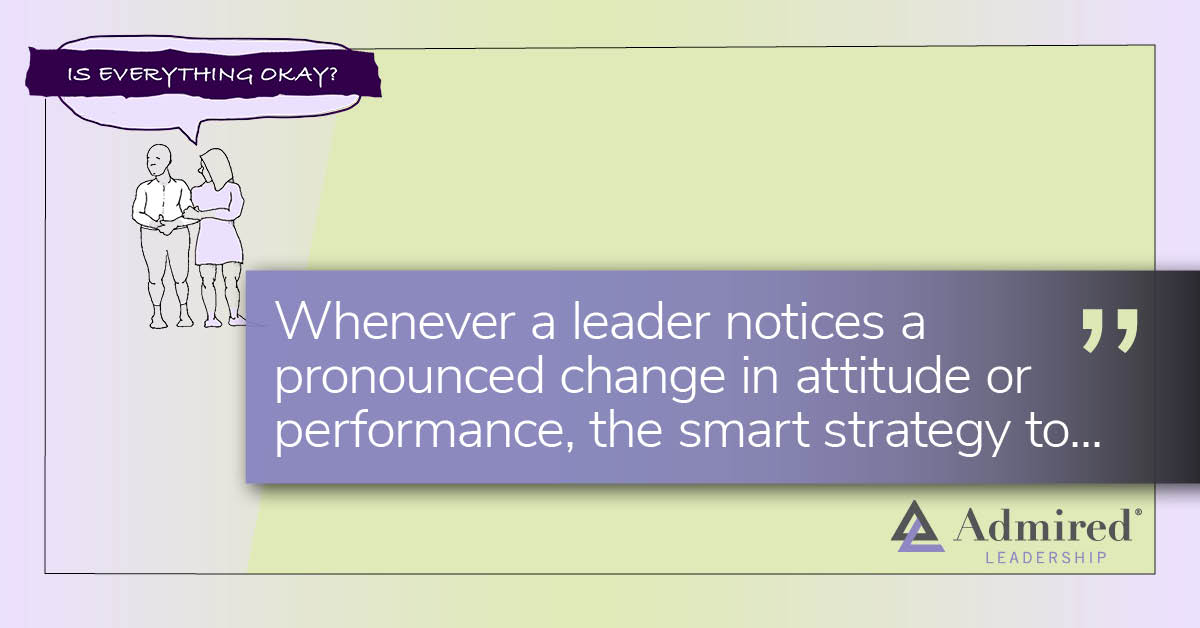
Is Everything Okay?
Whenever a leader notices a pronounced change in attitude or performance, the smart strategy to explore it is to ask a caring question: Is everything okay? Such a question opens the door for the colleague to share whatever they feel comfortable with. No matter the depth of the disclosure, leaders will typically learn if something…
-

When Disagreement Creates Trust
Establishing a connection in a new relationship is hard enough, but the task can be compounded when the target of our persuasion is of high status and deeply experienced. Senior clients, leaders, and decision-makers are naturally suspicious of being sold. They expect advocates to agree with them and tell them what they want to hear
-
Leaders Who Hold the Floor Too Long
Keeping talk duration under 90 seconds is a better rule in group discussions and should apply to everyone, especially the leader. This will keep the discussion free-flowing and everyone engaged. Leaders who treat these rules as suggestions will undoubtedly get on a roll and hold the floor too long — even when they don’t mean…
-

You Suffer From the Verbal Virus, Am I Right?
Speakers of every vintage owe it to themselves to capture their speech on audio. Doing so without an audience is best because the embarrassment can be real. Fortunately, the horror of verbal tics can be erased with some concerted work. Learning that they repeat a particular non-fluency allows a speaker to practice conversations without it.…
-
Is Brevity Always a Virtue?
We’ve been spoiling our teams with compact communication. And, thus, the skills to think through a complex issue and debate the merits of a decision option have become atrophied. The best leaders fight this trend. They ask team members to read, listen, and watch full narratives which capture the complexity of the issues in question.…
-
Moving the Set Point of Happiness
When we frequently recount the people and experiences we are grateful for, we experience more joy. When gratefulness is on the daily diet of activities we prioritize, we can even recalibrate our set point, moving it higher. The bottom line is that the portion of happiness we experience is equally dependent on the quality of…
-
Are Good Leaders Equal or Fair?
For the best leaders, equality and fairness are yoked together to the point of being nearly indistinguishable. That’s because fairness is virtually impossible to achieve without equal treatment and respect. Leaders who create a workplace where fairness and equal respect thrive find themselves among colleagues who feel a sense of belonging and goodwill. From that…
-
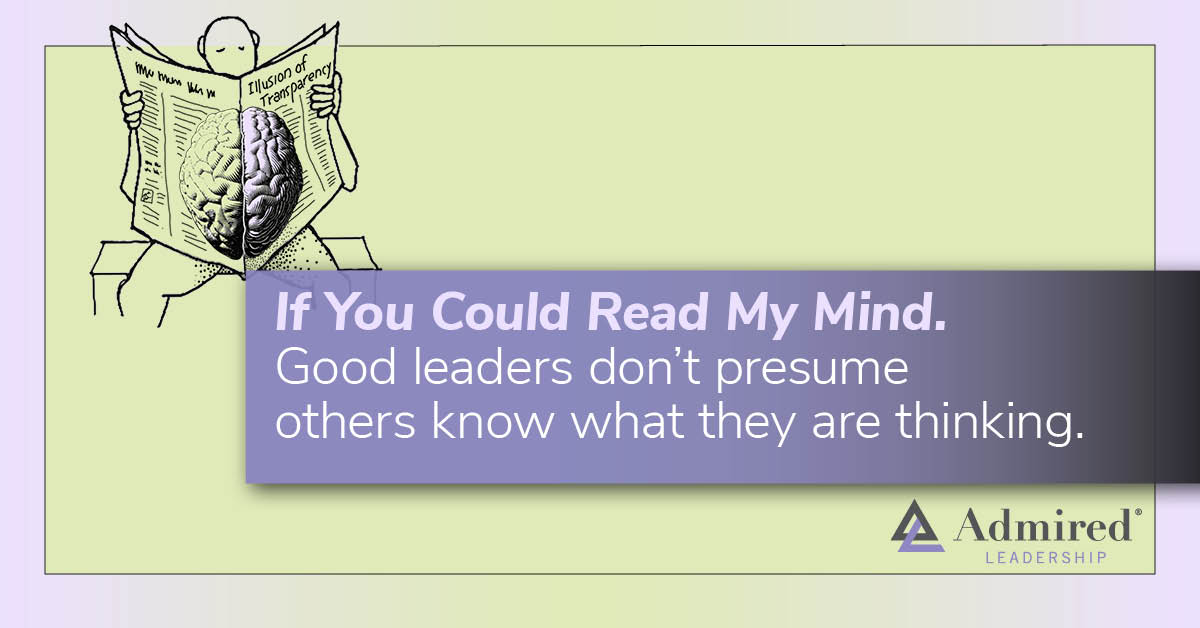
If You Could Read My Mind
As much as we would like to believe the contrary, people never get better at reading our minds without our help. Good leaders don’t presume others know what they are thinking or experiencing. They tell them. How novel is that?
-
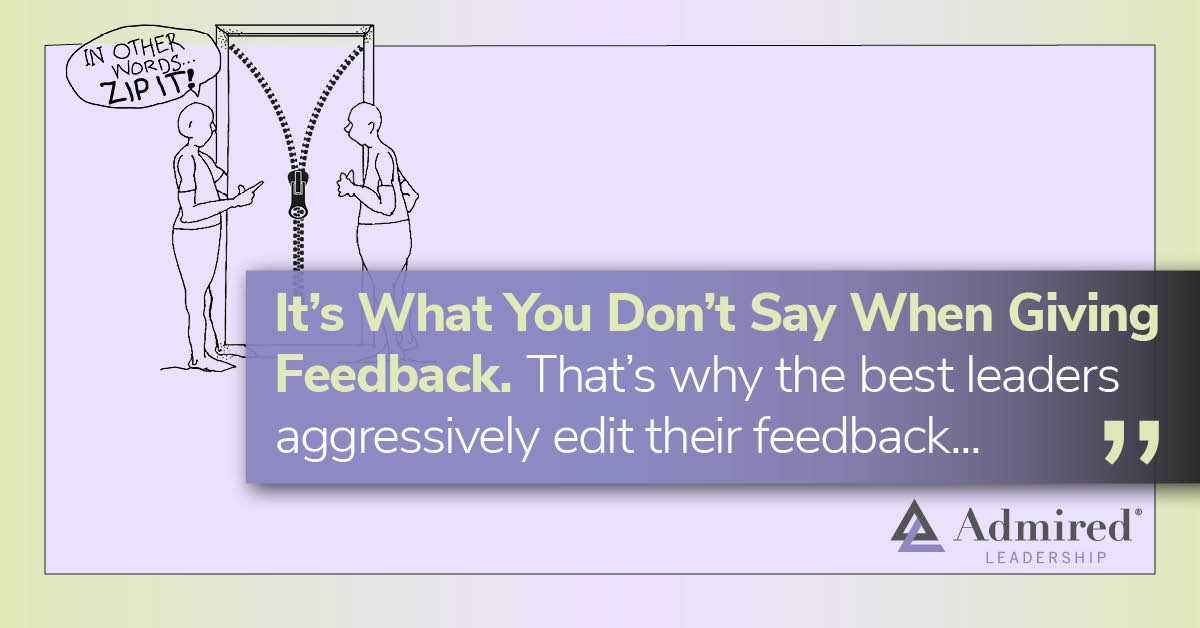
It’s What You Don’t Say When Giving Feedback
To prevent the kinds of interpretation that undermine a productive feedback discussion, the best leaders eliminate any negative comments that lack clear action to move forward. By attaching specificity and practicality to any criticism, the effective leader encourages a more positive reception. Eliminating any statement that might be seen as insulting because it can’t be…