




FieldNotes
Our daily Field Notes email is just the kind of jumpstart you need. A fast read. Maybe less than a minute. Because sometimes it just takes one insight to change the trajectory of the day.

Search Field Notes
-

Why the Word Partner Carries So Much Weight
In a world of seemingly endless titles and personal monikers, Partner still means something distinct and honorable to most. Smart leaders know better than to give the title and not also the rights imbued with it. They reserve the label only for those worthy of it. But it isn’t always the title that matters. Those…
-

Developing Skills Through Job Rotation
Developing Skills Through Job Rotation. The best organizations and leaders understand the importance of moving the most talented team members into new and challenging roles. This means convincing some colleagues not to hoard and protect talent because of their fear of losing their go-to team members. Once an entire organization embraces the power of job…
-
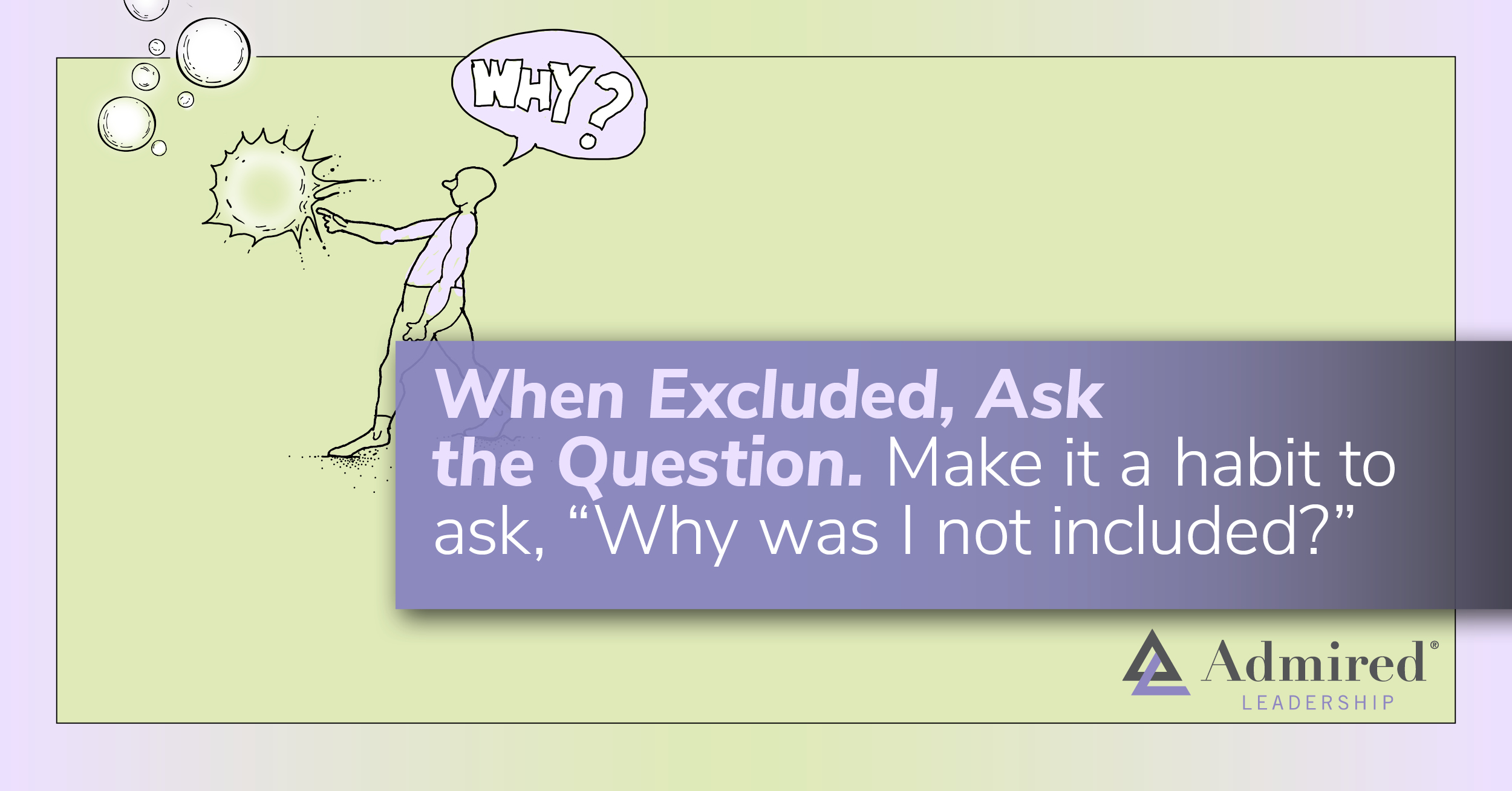
When Excluded, Ask the Question
There is nothing wrong with a strong, emotional reaction to being excluded. The problem arises when we presume there is a secret message in the choice. There rarely is. Knowing always solves the problem and sets the record straight. Make it a habit to ask, “Why was I not included?” The answer is likely to…
-

Setting Aside Resources for Small Bets
Once everyone in the organization knows resources exist for a bright, new idea, more appear. Funny how that works. Whatever leaders fund, they get more of. Setting aside the resources needed to take small risks and make small bets on new ideas is what good leaders do.
-

Practice Mental Toughness Every Day
The best athletes and leaders need to be mentally tough to perform at elite levels. Without mental toughness, it is hard to overcome obstacles and achieve important goals. But what is it, exactly? Mental toughness is one of those qualities everyone understands until they have to define it. Some believe it to be a personality trait.
-
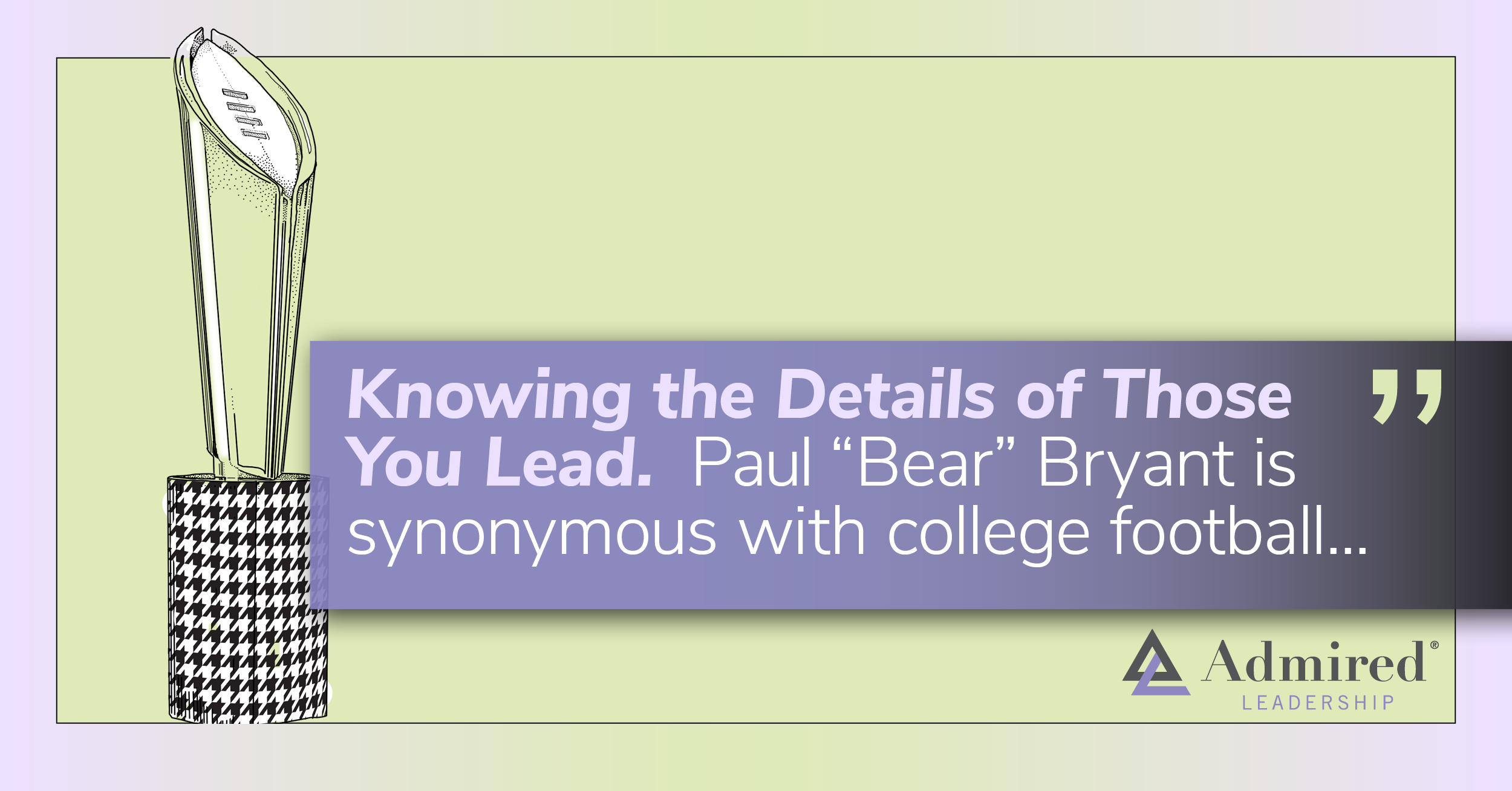
Knowing the Details of Those You Lead
Great leaders who truly care always know more about those they lead than others expect. They demonstrate their affection for people and for leading by knowing the details that matter to others. What details should you know about those you lead?
-

Making the Complex Simple Takes Talent
The mark of a great mind is an ability to take what few can truly understand and make it clear and actionable. Getting your thinking clear enough to make it simple for others is of the highest calling for the best leaders. Demand more simplicity from yourself and others. Wisdom requires it.
-
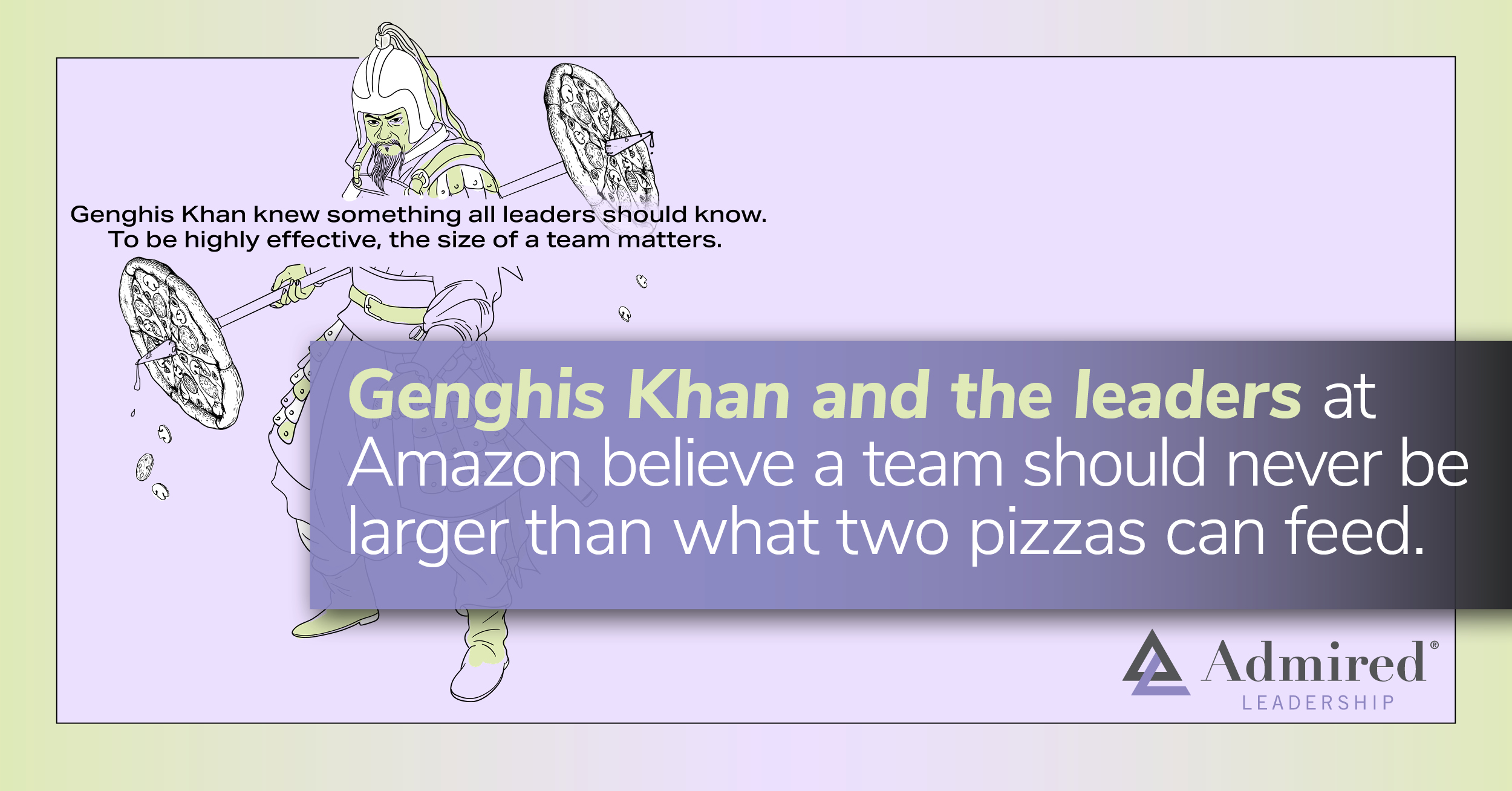
Size Really Matters
While team size should certainly reflect the task at hand and the roles needed to achieve the best results, creating a smaller team of highly engaged and active members should be the default.
-
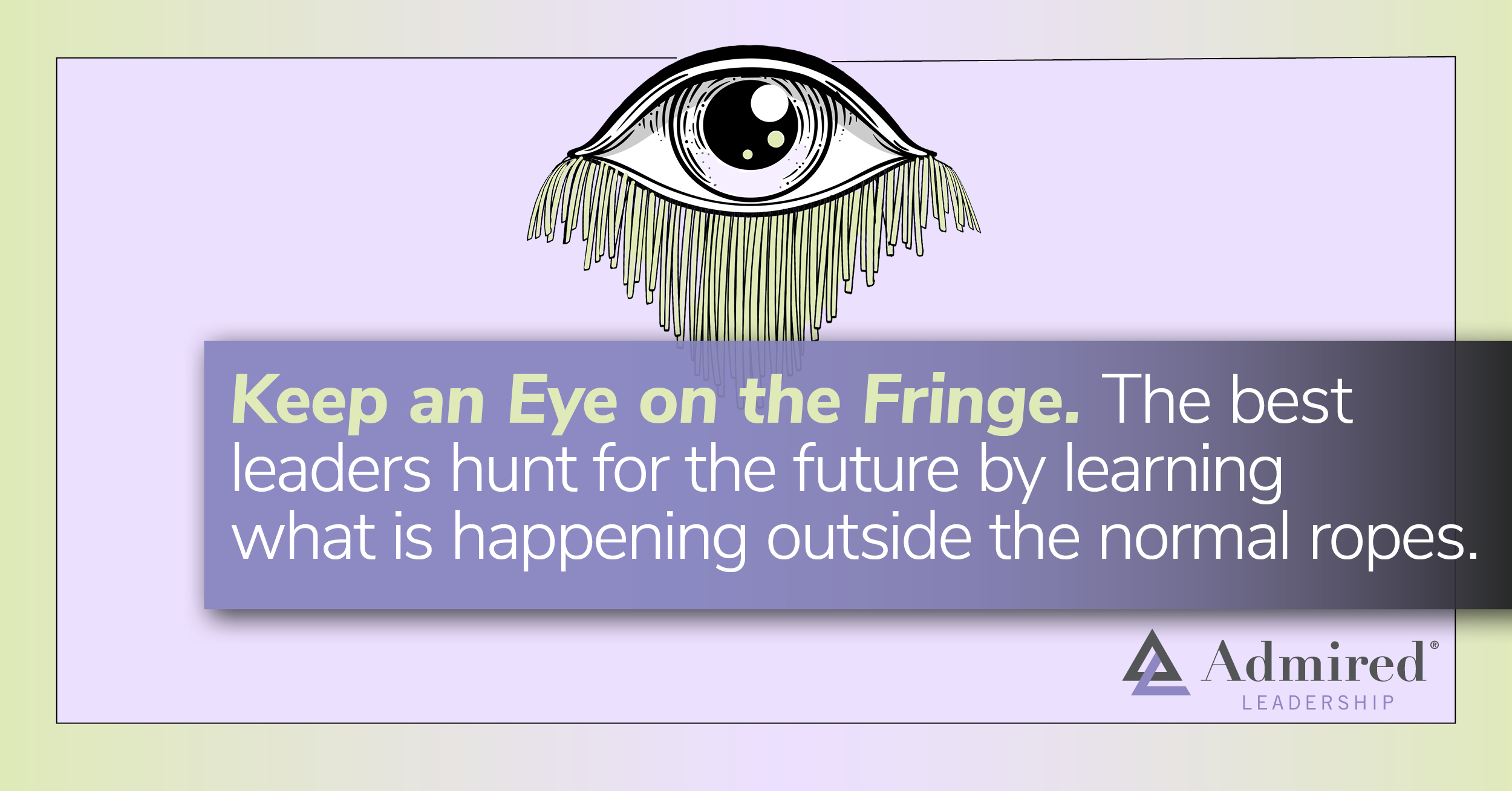
Keep an Eye on the Fringe
Innovation begins on the fringe, not in the mainstream. Emerging trends appear on the periphery of whatever is popular and well-accepted. As the writer William Gibson once noted, “The future has already happened, it’s just unequally distributed.” Knowing what is occurring on the boundaries of established practices is essential work for leaders and teams. What…
-

Unreasonable Leaders Reframe What Is Possible
On occasion, a truly remarkable leader will become unreasonable and refuse to compromise. They will hold a view that transcends trade-offs and seeks to create an outcome fusing two sides of a continuum. They turn either/or into both/and.