




FieldNotes
Our daily Field Notes email is just the kind of jumpstart you need. A fast read. Maybe less than a minute. Because sometimes it just takes one insight to change the trajectory of the day.

Search Field Notes
-
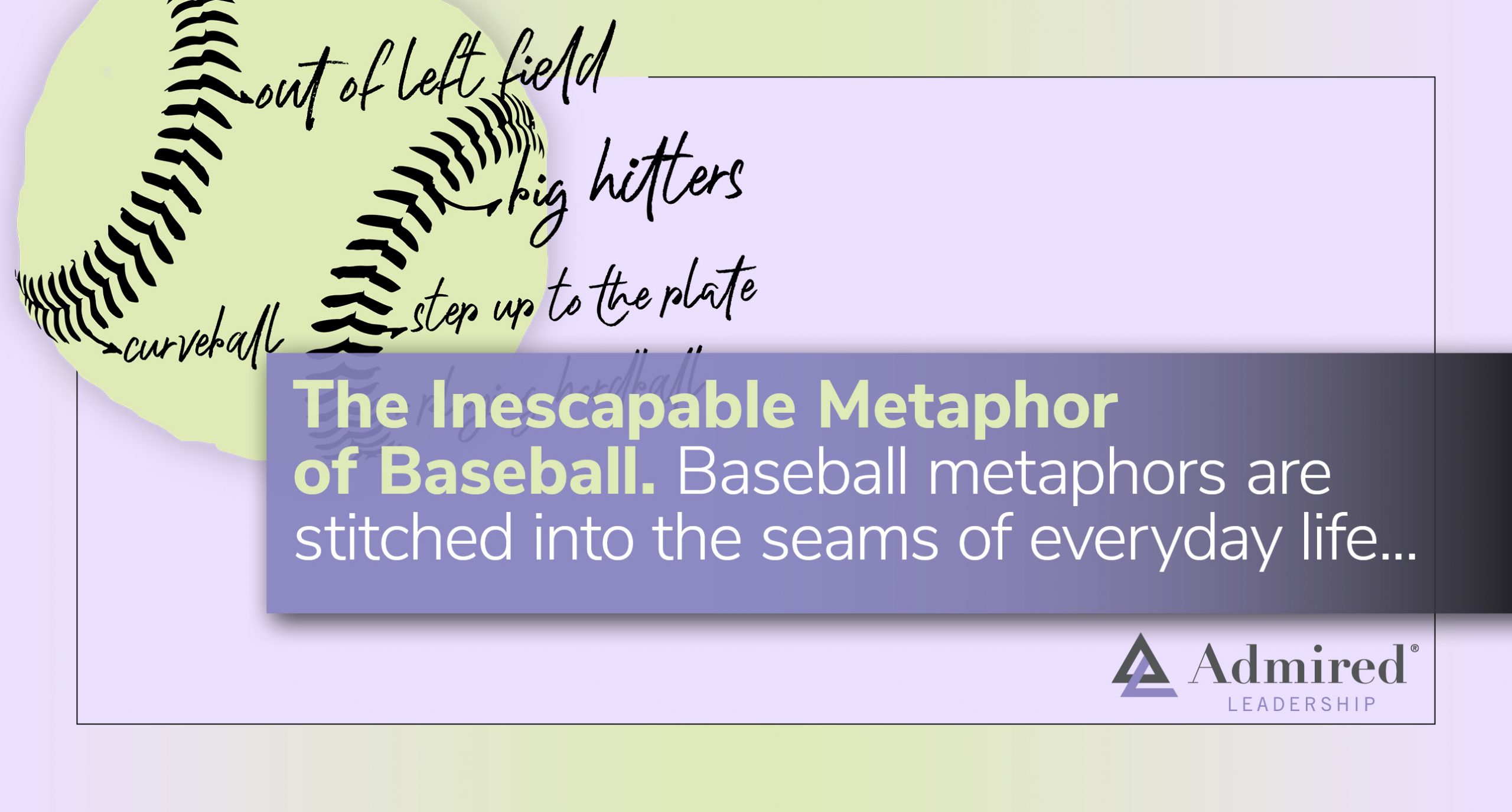
The Inescapable Metaphor of Baseball
Of the many metaphors that have found their way into the lexicon of organizational life, perhaps none is more pervasive than baseball. The idioms of baseball have traveled the globe and seeped into conversations between people who know little or nothing of the game. Fully integrated into our thinking and speaking, baseball metaphors help to galvanize
-

Problems That Arise Gradually or How to Boil a Frog
Problems generally don’t age well. Over time, the underlying issues associated with them often get worse, sometimes reaching catastrophic proportions. Yet, many problems go unaddressed by leaders until just before the volcano is ready to blow. By that time, there is little to do but control for the damages and limit the casualties. As a
-

Managing a Prima Donna
Some colleagues think so highly of themselves that it’s a wonder their feet stay on the ground. In extreme cases, a colleague who has an obsession with their own self-worth will quickly get rejected by the team and depart thinking everyone was blind to their greatness. In more mild versions, a team member with an
-
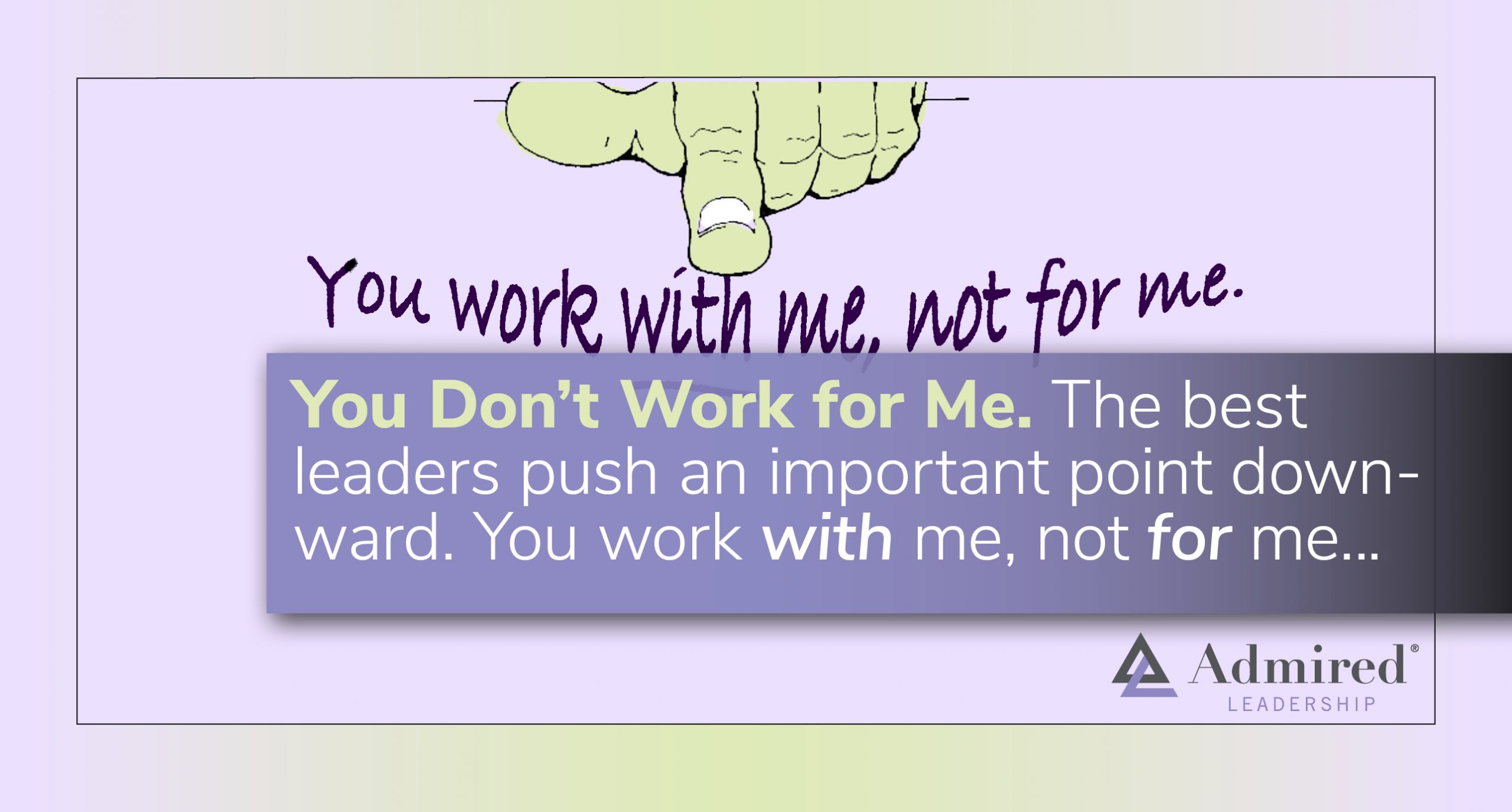
You Don’t Work For Me
The best leaders push an important point downward. You work with me, not for me. Even leaders who excel at holding others accountable understand the importance of this distinction in how team members engage. When people have it in their mind that they work for a leader, they operate differently. They wait for instructions, seek approval to make decisions,
-
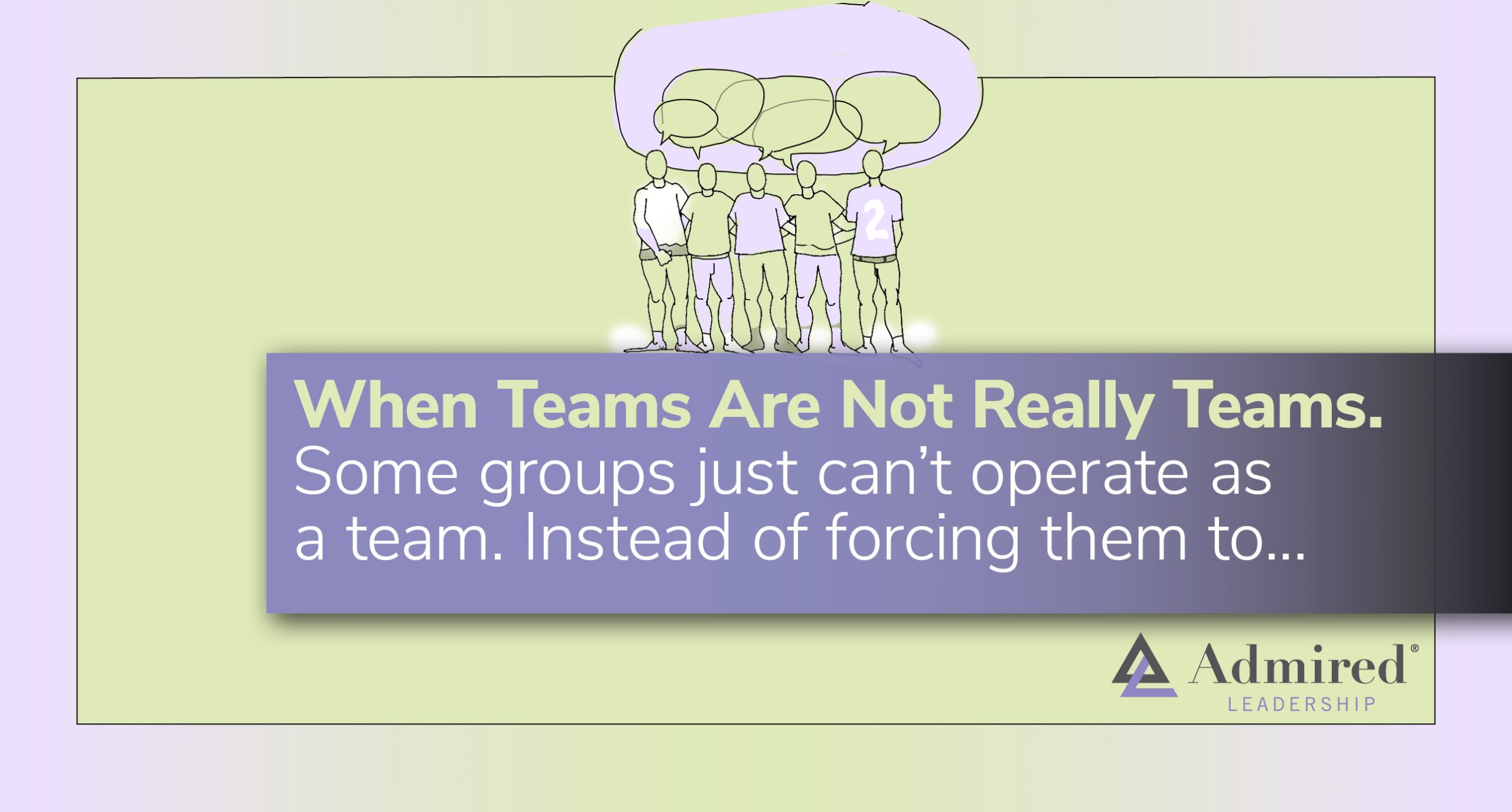
When Teams Are Not Really Teams
When Teams Are Not Really Teams. Some groups just can’t operate as a team. Instead of forcing them to, the best leaders accept that reality and treat everyone as leaders. Sometimes unity exists in the conversation and not in a common goal.
-

Don’t Call It a Pilot Program
Don’t Call It a Pilot Program. Call any initiative, introduction, or untested program anything but a pilot. Descriptors like introductory, exploratory, and preliminary don’t carry the same expectations for how participants should orient to the activity. Some descriptors and labels seem socially charged. Pilot is one of them.
-

When Personal Identity and Performance Become the Same Thing
The best among us work to live and not the other way around. Those who become fixated on work and performance in order to get ahead often begin seeing the outcomes they achieve as a direct reflection of who they are. When how they feel about themselves becomes entirely dependent on the results they achieve,…
-

Good Reasons to Withhold the Truth
Dishonest relationships don’t endure or prosper over the long run. Yet, on occasion, the only way to do the right thing in a relationship is to deceive others or withhold the truth. Relationships are complex and occasionally require small doses of dishonesty to safeguard others from harm or hurt. Protecting others is a noble ideal.
-
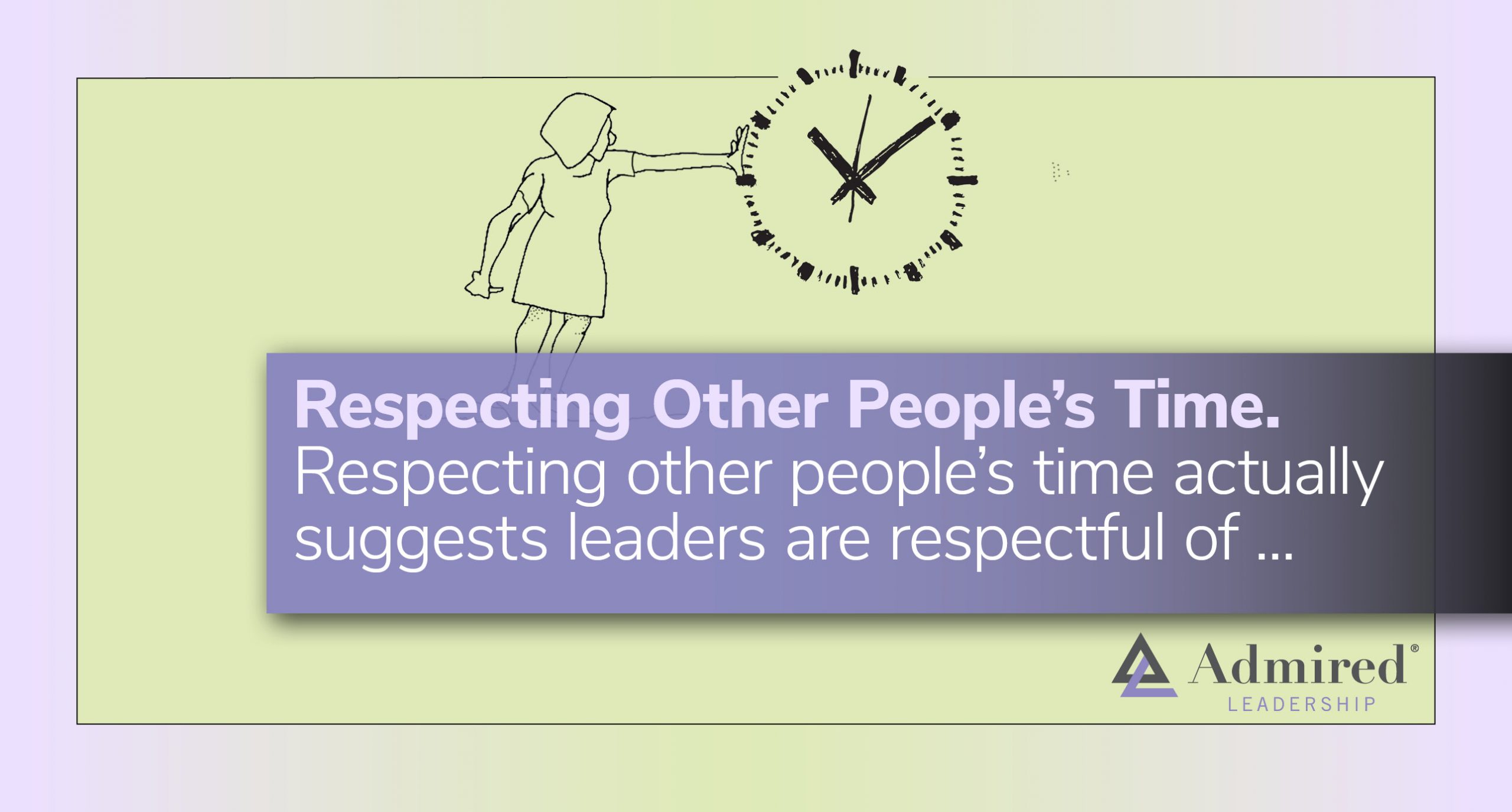
Respecting Other People’s Time
How leaders treat time says a lot about who they are. Ironically, respecting other people’s time actually suggests leaders are respectful of their own time and schedule. In fact, leaders who give the respect regarding time that they want to receive usually end up becoming powerful role models for others.
-

Jumping to Conclusions About People
Sometimes you’re right and sometimes you’re wrong, but jumping to a conclusion about people is never a good idea. Leaders who jump to conclusions about others make fast assumptions on limited information. This ultra-decisiveness generally leads to poor or wrong choices that play out negatively in interaction.